


First, you need to choose the right screws for your application. There are certain factors to consider when choosing screws, such as their durability, weight, cost, and the type of project you are working on.
Stainless steel screws are inexpensive and best suited for all applications. If you need extra durability against corrosion, copper screws are your best choice. For lightweighting, aluminum is a good choice. Titanium is both lightweight and durable, but expensive.
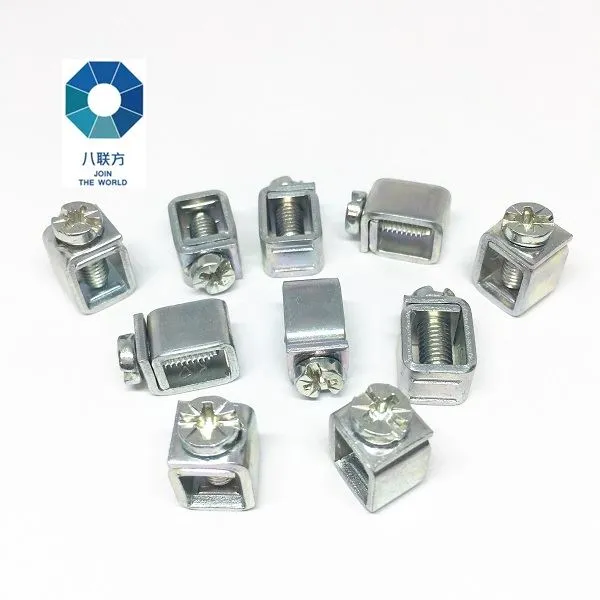


Next, you need to consider the materials you are working with. For example, wood screws are used to join wooden pieces such as furniture. You want a screw that can withstand the material of your project. If you're working with outdoor materials, you'll need screws with a coating that can withstand the elements.
If necessary, grab a screwdriver or drill and wear gloves and safety gear. If you are using a screwdriver, make a hole and start tightening until it is tight. Do not use excessive force as this may damage the materials used. If you use a drill, be careful to use the correct speed to avoid overheating or burn marks. Clamps can be used to avoid slipping.
Screw material composition
There is no one-size-fits-all solution when it comes to screws. The type of material you choose for your screws can have a significant impact on the success of your project. Although stainless steel is the common choice, screws are available in a variety of materials, each with specific benefits and recommended applications. We'll look at the most popular screw materials in this section: brass, aluminum, stainless steel, and steel.
steel fasteners
Composition: Carbon steel is an alloy of iron and carbon commonly used to make steel screws. The strength and hardness of a screw are affected by its carbon content.
Pros: Steel screws are known for their sturdiness and strength. They can be used for a variety of tasks such as construction and carpentry.
Use cases: Steel screws are ideal for indoor tasks where rust is not a serious issue. Additionally, they find jobs in mechanical and automotive applications.
stainless steel screw
Composition: Iron alloy containing at least 10.5% chromium is used to make stainless steel screws. This chromium concentration provides excellent corrosion resistance.
Pros: Stainless steel screws offer excellent rust and corrosion resistance, making them ideal for outdoor, marine and coastal applications. They will maintain their appearance over time.
Use cases: Exterior construction, marine projects and any application where exposure to moisture is expected are among the many uses for stainless steel screws.
brass screws
The composition of brass screws is mainly composed of copper and zinc in different proportions. When zinc is added, the alloy becomes stronger.
Pros: Brass screws are corrosion-resistant and can be used indoors or outdoors. Their golden appearance is very attractive.
Use cases: Brass screws are often chosen where the screws are visible, as well as in decorative and decorative projects.
titanium screws
Composition: Aluminum alloys can have different compositions to produce different qualities for use in making aluminum screws.
Pros: Aluminum screws are corrosion-resistant and lightweight. They are often used in situations where weight loss is necessary.
Applications: Aluminum screws are used in the electronics, automotive and aerospace industries and where weight is an issue.
copper screws
Copper has excellent electrical conductivity and corrosion resistance and is the main component of copper screws.
Advantages: Since conductivity is critical in plumbing and electrical applications, copper screws are often used. They are highly resistant to corrosion.
Use cases: Electrical equipment, wiring and plumbing systems often contain copper screws.
Special screw material
In addition to standard materials such as brass, aluminum, steel and stainless steel, special materials are used to meet certain project specifications. These include plastic screws and titanium screws, each with special qualities and benefits.
titanium screws
Composition: Titanium alloy is known for its excellent strength-to-weight ratio and is used in the manufacture of titanium screws. These alloys may also contain other elements such as aluminum or vanadium.
Pros: Titanium screws are very strong and lightweight. They offer a high level of corrosion resistance even under challenging conditions. Titanium is also biocompatible, making it suitable for aerospace and medical applications.
Use cases: Titanium screws are preferred in aerospace, medical implants and high-performance racing, where weight reduction is critical.
polymer screws
Composition: The thermoplastic polymers nylon, polypropylene and polycarbonate are commonly used to make plastic screws.
Advantages: Plastic screws have good chemical and corrosion resistance. They are ideal for electrical applications because they do not conduct electricity. Additionally, they are affordable and lightweight.
Use cases: Plastic screws are often used in places where metal fasteners are not suitable, such as electronics, food processing machinery and automotive interiors.