

In the vast landscape of engineering, every millimeter counts. The dimension of 3.81 mm, in particular, holds a unique and far - reaching significance. As a dedicated 3.81 mm supplier, I've witnessed firsthand how this seemingly small measurement plays a crucial role in various engineering fields.
Electrical Engineering
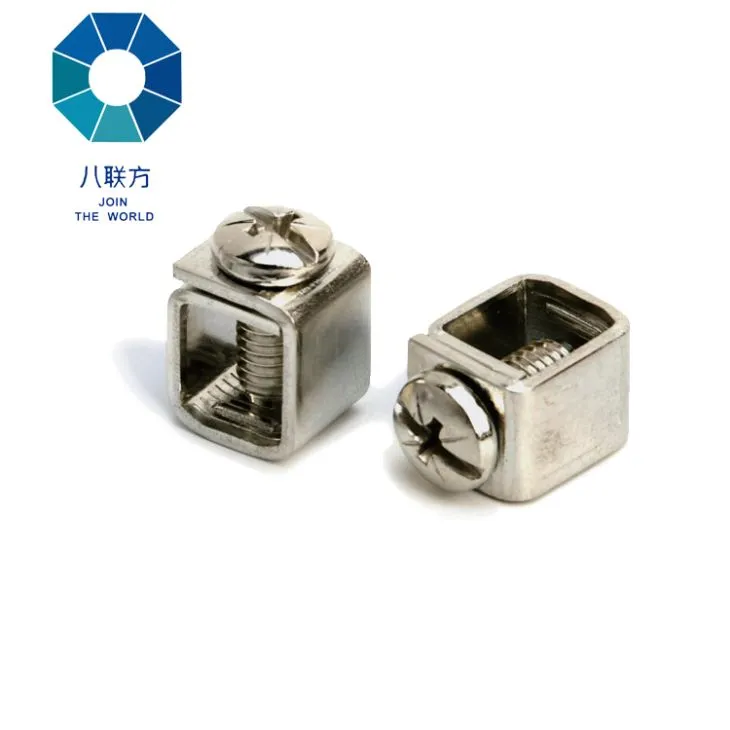
In electrical engineering, the 3.81 mm dimension is frequently used in the design and manufacturing of electrical terminals. These terminals are the unsung heroes of electrical systems, providing a secure connection between different components. For instance, the Zined Plated Binding Post For Electric Submeter often utilizes a 3.81 mm size. This specific dimension allows for a proper fit and reliable electrical contact, which is essential for the accurate measurement and distribution of electricity in sub - meter systems.
The Zine - plated Electric Submeter Cage Terminal is another example. The 3.81 mm dimension in these cage terminals ensures that they can securely hold the electrical wires, preventing loose connections that could lead to power outages, short - circuits, or even electrical fires. The standardization of this size also simplifies the manufacturing process, as it allows for interchangeability between different components from various manufacturers.
Moreover, in printed circuit boards (PCBs), the 3.81 mm dimension is used in PCB Tab Electrical Terminal Welding Terminal. These terminals are used to connect the PCB to other external components. The precise 3.81 mm size ensures that the terminal can be accurately soldered onto the PCB, providing a stable and low - resistance connection. This is crucial for the proper functioning of electronic devices, as any impedance or instability in the connection can affect the performance of the entire circuit.
Mechanical Engineering
In mechanical engineering, the 3.81 mm dimension can be found in a variety of applications. For example, in the design of precision machinery, this size may be used for small shafts, bolts, or pins. A shaft with a diameter of 3.81 mm can be used in miniature motors or other small - scale mechanical devices. The exact size ensures that the shaft can rotate smoothly within its bearings, transmitting torque effectively without excessive friction or wear.
Small bolts and pins with a 3.81 mm diameter are also commonly used in the assembly of mechanical components. They provide a reliable means of fastening different parts together, ensuring the structural integrity of the machinery. In some cases, the 3.81 mm size is chosen because it offers a good balance between strength and weight, making it suitable for applications where weight reduction is important, such as in aerospace or automotive engineering.
Fluid Engineering
In fluid engineering, the 3.81 mm dimension can be relevant in the design of pipes, tubes, and nozzles. For example, in a micro - fluidic system, a tube with an inner diameter of 3.81 mm can be used to transport small volumes of fluids. The precise size allows for accurate control of the flow rate and pressure of the fluid, which is essential in applications such as medical devices, chemical analysis, and biotechnology.
Nozzles with a 3.81 mm orifice diameter can also be used in spray systems. The size of the orifice determines the droplet size and the spray pattern, which are critical factors in applications such as painting, irrigation, and fuel injection. By using a 3.81 mm orifice, engineers can achieve the desired spray characteristics, ensuring efficient and effective operation of the system.
Standardization and Compatibility
One of the most significant aspects of the 3.81 mm dimension in engineering is its role in standardization. Standardizing on a specific size like 3.81 mm allows for greater compatibility between different components and systems. This means that parts from different manufacturers can be easily integrated into a single project, reducing the need for custom - made components and saving both time and money.
For example, in the electrical industry, if all electrical terminals are designed to a 3.81 mm standard, it becomes easier for engineers to select and install the appropriate components. This also promotes competition among suppliers, as they can focus on improving the quality and performance of their 3.81 mm products rather than developing unique, non - standard sizes.
Our Role as a 3.81 mm Supplier
As a 3.81 mm supplier, we understand the critical importance of this dimension in engineering. We are committed to providing high - quality products that meet the strictest standards. Our manufacturing processes are carefully controlled to ensure that every 3.81 mm component we produce is accurate, reliable, and consistent.
We work closely with our customers to understand their specific needs and requirements. Whether they are in the electrical, mechanical, or fluid engineering field, we strive to provide the best solutions. Our sales team is always available to offer technical support and advice, helping customers select the right 3.81 mm products for their projects.
Conclusion
In conclusion, the 3.81 mm dimension is of great significance in engineering. It plays a vital role in electrical, mechanical, and fluid engineering applications, ensuring reliable performance, efficient operation, and compatibility between components. Our role as a 3.81 mm supplier is to provide high - quality products and excellent service to support the engineering community.
If you are in need of 3.81 mm components for your engineering projects, we invite you to contact us for procurement and further discussions. We look forward to working with you to meet your specific needs and contribute to the success of your projects.

References
- Electrical Engineering Handbook, CRC Press
- Mechanical Engineering Design, McGraw - Hill
- Fluid Mechanics, John Wiley & Sons