

Hey there, fellow motorbike enthusiasts! I'm a supplier at Parts For Motorbike, and I've seen it all when it comes to motorbike parts. Over the years, I've helped countless riders figure out when it's time to swap out a part. In this blog, I'm gonna share some tell - tale signs that a motorbike part needs replacement.
1. Brakes
Let's start with one of the most crucial parts of any motorbike: the brakes. Your safety on the road depends a lot on how well your brakes work.
Squealing or Grinding Noises
If you start hearing a high - pitched squeal every time you hit the brakes, that's a big red flag. Usually, this means your brake pads are worn down. Brake pads have a metal wear indicator that starts making noise when the pad material gets too thin.
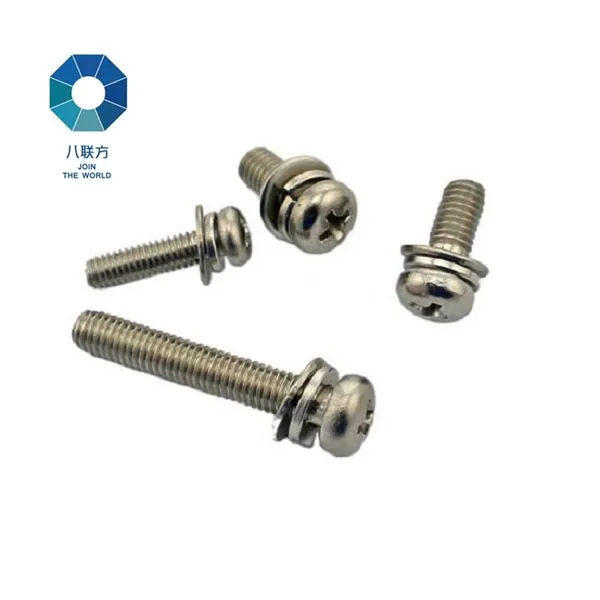
Another noise to watch out for is a grinding sound. This is even more serious. It means the brake pads are completely worn out, and the metal backing of the pads is rubbing against the brake rotor. If you ignore this, you'll damage the rotor, which is way more expensive to replace than just the pads. So, if you hear these noises, it's time to get new brake pads (I know that link is for screws, but just as an example of how parts need replacing, we'll get back to brakes).

Reduced Braking Performance
If you notice that you have to press the brake lever or pedal harder than usual to slow down or stop, that's a sign something's wrong. This could be due to worn brake pads, a leak in the brake fluid system, or air in the brake lines. A decrease in braking power is super dangerous, and you should have your brakes checked and potentially replaced right away.
Uneven Braking
When one side of the bike slows down faster than the other, it's called uneven braking. You might notice the bike pulling to one side when you brake. This can be caused by a stuck caliper, unevenly worn brake pads, or a problem with the brake lines. Uneven braking makes it hard to control the bike, especially in an emergency situation, so it's important to address it quickly.
2. Tires
Tires are the only part of your bike that touches the road, so they're pretty important.
Tread Wear
The most obvious sign that your tires need replacing is when the tread is worn down. Most tires have tread wear indicators, which are small bars of rubber in the grooves of the tire. When the tread is level with these indicators, it's time for new tires. Riding on bald tires is extremely dangerous because they have less traction, especially in wet conditions. You're more likely to skid and lose control of the bike.
Cracks and Bulges
Check your tires regularly for cracks and bulges. Cracks can develop on the sidewalls or the tread of the tire, usually due to age, exposure to the elements, or over - inflation. Bulges are a sign of internal damage to the tire. They can be caused by hitting a pothole or other road hazard. A tire with cracks or bulges is at risk of blowing out, so you should replace it as soon as possible.
Vibration
If you feel a vibration in the handlebars or seat while riding, it could be a sign of a problem with the tires. This could be due to an out - of - balance tire, a bent rim, or uneven tire wear. A vibrating tire can make the bike uncomfortable to ride and can also affect handling. Have your tires inspected and balanced, and if necessary, replace them.
3. Chains and Sprockets
The chain and sprockets are responsible for transferring power from the engine to the rear wheel.
Chain Slack
A chain that's too loose or too tight can cause problems. You should be able to lift the chain about an inch in the middle between the front and rear sprockets. If it's too loose, it can skip teeth on the sprockets, which can damage the chain and sprockets. If it's too tight, it can put extra stress on the engine and other components. You can adjust the chain tension, but if it's worn beyond a certain point, you'll need to replace it.
Worn Sprockets
Inspect the sprockets for signs of wear. Worn sprockets will have teeth that are pointed or hooked. A worn sprocket can cause the chain to wear out faster and can also lead to poor power transfer. If you notice your sprockets are worn, it's usually a good idea to replace the chain and sprockets at the same time to ensure proper operation.
Noise
If you hear a rattling or clanking noise coming from the chain area, it could be a sign of a loose or worn chain. A noisy chain can also indicate that it's not properly lubricated. Lubricating the chain regularly can help prevent wear, but if the noise persists, it might be time for a replacement.
4. Filters
Motorbikes have different types of filters, like air filters and oil filters, and they all play important roles.
Air Filter
The air filter keeps dirt and debris from entering the engine. If it gets clogged, it restricts the flow of air to the engine, which can reduce performance and fuel efficiency. You can usually tell if the air filter needs replacing if it looks dirty or if you notice a decrease in power when you accelerate. A dirty air filter can also cause the engine to run rich, which means it uses more fuel than it should.
Oil Filter
The oil filter removes contaminants from the engine oil. Over time, it can get clogged with dirt, metal particles, and other debris. If the oil filter is clogged, the oil can't flow freely through the engine, which can lead to poor lubrication and increased wear on the engine components. You should change the oil filter according to the manufacturer's recommendations, but if you notice a drop in oil pressure or strange noises coming from the engine, it could be a sign that the oil filter needs replacing.
5. Screws and Bolts
Screws and bolts might seem like small parts, but they're essential for holding everything together on your motorbike.
Loose Screws
If you notice that a screw or bolt is loose, it's important to tighten it as soon as possible. A loose screw can cause parts to vibrate and move around, which can lead to damage. Sometimes, a loose screw can even fall out completely, which can be dangerous. For example, if a screw holding a critical part like a brake caliper or a handlebar control comes loose, it can affect your ability to control the bike.
Stripped Threads
If you try to tighten a screw and the threads just spin without gripping, it means the threads are stripped. This can happen if the screw was over - tightened or if it was cross - threaded when it was installed. A screw with stripped threads won't hold properly, and you'll need to replace it. You can find a great selection of screws, like the Phillips Pan Head Sems Screw, Stainless Steel Self - tapping Screw, and Screw M6*14 For Cage Terminal on our website.
Rust and Corrosion
Motorbikes are exposed to the elements, and screws and bolts can rust and corrode over time. Rust can weaken the screw and make it more likely to break. If you see rust on a screw or bolt, it's a good idea to replace it, especially if it's a critical part.
So, there you have it, folks! These are some of the main signs that a motorbike part needs replacement. As a supplier at Parts For Motorbike, I'm here to help you keep your bike in top shape. If you notice any of these signs, don't hesitate to reach out and talk to us about getting the right parts for your ride. We've got a wide range of high - quality motorbike parts to meet your needs. Whether it's brakes, tires, chains, filters, or screws, we've got you covered. Let's get your bike running smoothly again!
References
- Motorcycle Maintenance Manuals from various manufacturers
- Personal experience and knowledge from years in the motorbike parts industry