

Hey there! As a supplier of Machined Connector Parts, I've been getting a lot of questions lately about the shear - resistance properties of these parts. So, I thought I'd take a deep dive into this topic and share some insights with you all.
First off, let's talk about what shear resistance actually means. Shear resistance is the ability of a material or a part to withstand forces that act parallel to its cross - section. In the context of machined connector parts, this is crucial because these parts are often used in applications where they'll be subjected to various types of mechanical stresses.
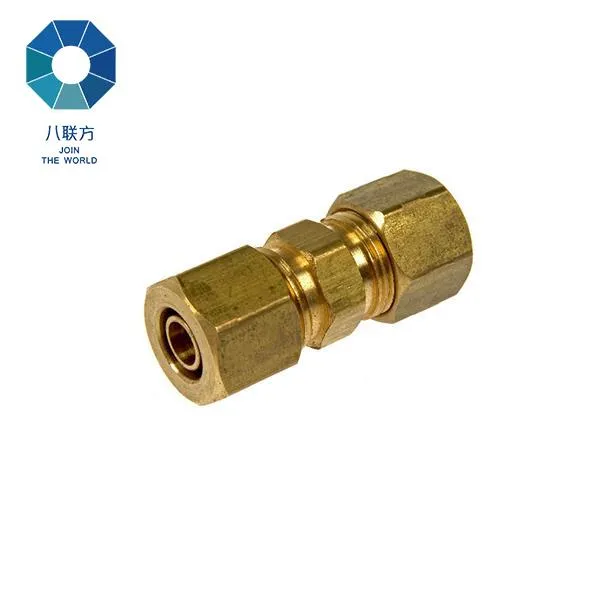
One of the key factors that affect the shear - resistance properties of machined connector parts is the material they're made from. We use a variety of materials, including brass, copper, and some high - strength alloys. For instance, brass is a popular choice for many of our Machined Parts for Brass Connector Tube Parts. Brass has good corrosion resistance and decent shear strength. It can handle a fair amount of shear stress without deforming easily.
Copper, on the other hand, is known for its excellent electrical conductivity. We also use it in some of our connector parts, like the Copper Flexible Busbar. While copper may not have the highest shear strength compared to some alloys, it still has enough strength for many common applications. And in cases where electrical conductivity is a top priority, the shear - resistance it offers is often sufficient.
High - strength alloys are another option. These alloys are specifically designed to have superior mechanical properties, including high shear strength. When the application requires parts to withstand extremely high shear forces, we'll usually recommend using parts made from these alloys.
The manufacturing process also plays a huge role in determining the shear - resistance properties of machined connector parts. Precision machining is our game. We use state - of - the - art machining techniques to ensure that each part is made to exact specifications. Any deviation in dimensions can affect the part's ability to resist shear forces. For example, if a part has a rough surface finish or inconsistent wall thickness, it may be more prone to failure under shear stress.
Heat treatment is another important aspect of the manufacturing process. By applying the right heat treatment, we can improve the hardness and toughness of the material, which in turn enhances the shear - resistance of the part. For instance, quenching and tempering can be used to modify the microstructure of the metal, making it stronger and more resistant to shear.
Now, let's talk about some real - world applications. In the automotive industry, machined connector parts are used in engine components, transmission systems, and electrical connections. These parts need to have good shear - resistance because they're constantly exposed to vibrations, shocks, and varying loads. If a connector part fails due to shear stress, it can lead to serious mechanical problems and even safety hazards.
In the electronics industry, our Customized KW7 - 157 1C2 Micro Switch is often used. Although these switches are relatively small, they still need to have sufficient shear - resistance to ensure reliable operation. A switch that can't withstand the shear forces it's exposed to may malfunction, causing disruptions in the electrical circuit.
In the aerospace industry, the requirements for shear - resistance are even more stringent. Connector parts used in aircraft need to be able to withstand extreme conditions, including high - speed vibrations and sudden changes in pressure. Any failure of a connector part due to shear stress could have catastrophic consequences.
To test the shear - resistance properties of our machined connector parts, we use a variety of methods. One common method is the shear test, where we apply a controlled shear force to the part until it fails. By measuring the force at which failure occurs, we can determine the shear strength of the part. We also use non - destructive testing methods, such as ultrasonic testing and X - ray inspection, to detect any internal defects that could affect the part's shear - resistance.
We're constantly working on improving the shear - resistance properties of our machined connector parts. We invest in research and development to find new materials and manufacturing techniques. By staying at the forefront of technology, we can offer our customers parts that meet the highest standards of quality and performance.
If you're in the market for machined connector parts and are concerned about their shear - resistance properties, you've come to the right place. We have a wide range of products to meet your specific needs. Whether you need parts for automotive, electronics, aerospace, or any other industry, we can provide you with high - quality solutions. Don't hesitate to reach out to us for more information or to start a procurement discussion. We're here to help you find the best connector parts for your applications.
References

- Callister, W. D., & Rethwisch, D. G. (2011). Materials Science and Engineering: An Introduction. Wiley.
- Ashby, M. F., & Jones, D. R. H. (2005). Engineering Materials 1: An Introduction to Properties, Applications, and Design. Butterworth - Heinemann.