

When it comes to electrical systems, every component plays a crucial role in ensuring safety and reliability. Electrical screws, often overlooked, are one such vital component. As a screws supplier, I understand the significance of providing screws that meet the highest safety requirements. In this blog, I will delve into the safety requirements for electrical screws, shedding light on why they are so important and what features you should look for.
Importance of Safety in Electrical Screws
Electrical systems are prone to various hazards, including short - circuits, electrical shocks, and fires. Electrical screws are used to secure electrical components, such as switches, outlets, circuit breakers, and junction boxes. If these screws do not meet safety standards, they can lead to loose connections. Loose connections increase electrical resistance, which in turn generates heat. Excessive heat can damage the electrical components, melt insulation, and even start a fire.
Moreover, in industrial and commercial settings, electrical systems are often subject to vibrations, movements, and environmental factors. Unsuitable screws may loosen over time due to these external forces, compromising the integrity of the electrical connections. Therefore, using screws that adhere to safety requirements is essential for the proper functioning and safety of electrical systems.
Material Requirements
The material of electrical screws is of utmost importance. Screws used in electrical applications should be made of conductive materials that can provide a stable electrical connection. Copper and brass are commonly used materials for electrical screws due to their excellent electrical conductivity. These metals also have good corrosion resistance, which is crucial as corrosion can increase resistance and lead to connection failures.
For outdoor or high - humidity environments, stainless steel screws are a popular choice. Stainless steel offers high corrosion resistance, ensuring the longevity of the screw and the electrical connection. However, it is important to note that some types of stainless steel may have slightly lower electrical conductivity compared to copper or brass. Therefore, in applications where maximum conductivity is required, copper or brass screws are still preferred.
Thread Design and Tightening Torque
The thread design of electrical screws is another critical factor. A well - designed thread ensures a secure and tight fit between the screw and the component it is fastening. Coarse threads are generally used for softer materials, while fine threads are more suitable for harder materials. This is because coarse threads can grip softer materials more effectively, while fine threads provide a more precise and secure fit in harder materials.
In addition to thread design, the tightening torque of electrical screws must be carefully controlled. Over - tightening a screw can damage the electrical component or strip the threads, leading to a loose connection over time. Under - tightening, on the other hand, can result in an unstable connection with increased resistance. Manufacturers usually provide recommended tightening torques for their screws, and it is essential to follow these guidelines during installation.
Insulation and Coating
In some electrical applications, screws may need to be insulated to prevent short - circuits. Insulated screws are coated with a non - conductive material, such as plastic or rubber, which provides a barrier between the screw and other conductive parts. This is particularly important in applications where multiple electrical components are in close proximity.
Coatings can also be used to enhance the corrosion resistance of screws. Zinc plating is a common coating for screws used in electrical applications. Zinc provides a protective layer that prevents rust and corrosion, extending the lifespan of the screw. Other coatings, such as nickel or tin plating, can also be used depending on the specific requirements of the application.
Compliance with Standards
Electrical screws should comply with relevant national and international standards. In the United States, the National Electrical Code (NEC) sets the standards for electrical installations, including the use of electrical screws. The NEC specifies requirements for materials, thread design, and installation procedures to ensure the safety of electrical systems.

Internationally, the International Electrotechnical Commission (IEC) also issues standards for electrical products. Screws that comply with IEC standards are recognized for their quality and safety in electrical applications. When purchasing electrical screws, it is important to ensure that they meet these standards to guarantee their performance and safety.
Types of Electrical Screws and Their Safety Features
Phillips Pan Head Sheet Metal Screws
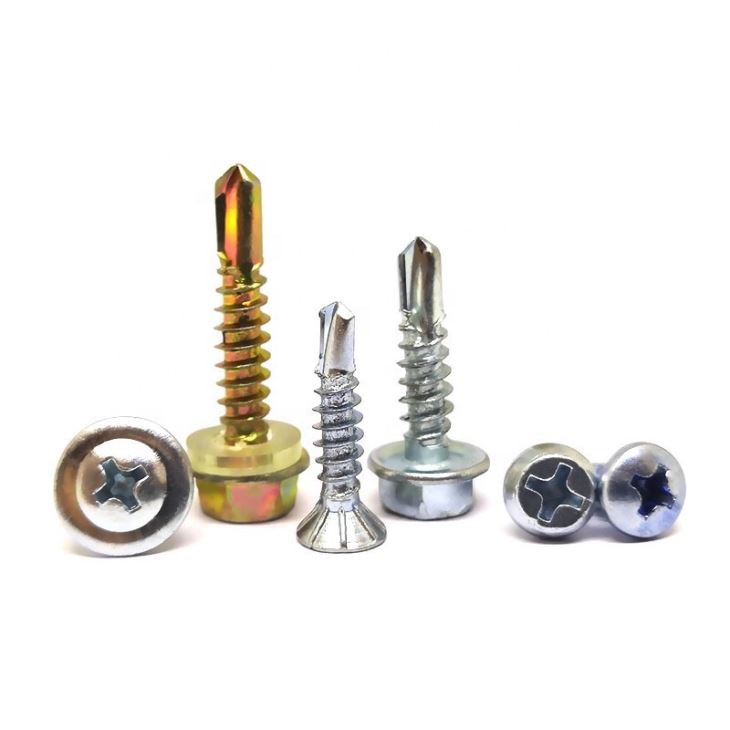
Phillips Pan Head Sheet Metal Screws are commonly used in electrical enclosures and sheet metal applications. These screws have a flat, rounded head with a Phillips drive, which allows for easy installation using a Phillips - head screwdriver. The pan head design provides a large surface area for distributing the load, ensuring a secure connection. These screws are typically made of steel with a zinc plating for corrosion resistance.
Hex Flange Head Self Drilling Screw For Roofing
Hex Flange Head Self Drilling Screw For Roofing are suitable for outdoor electrical installations, such as solar panel mounts on roofs. The self - drilling feature eliminates the need for pre - drilling, making the installation process faster and more efficient. The hex flange head provides a large bearing surface, which helps to prevent the screw from pulling through the material. These screws are often made of stainless steel for high corrosion resistance.
Allen Head M5 X 15 Machine Screw
Allen Head M5 X 15 Machine Screw are used in various electrical equipment, including small motors and control panels. The Allen head design allows for a more precise and secure tightening using an Allen wrench. The M5 size indicates the screw diameter, and the 15 refers to the length of the screw. These screws are typically made of steel or brass, depending on the specific application requirements.
Contact for Procurement and Consultation
If you are in need of high - quality electrical screws that meet all the safety requirements, I am here to assist you. As a professional screws supplier, I offer a wide range of electrical screws made from the best materials and with the most advanced manufacturing techniques. Whether you need a small quantity for a DIY project or a large - scale order for an industrial application, I can provide you with the right screws at competitive prices.
Please feel free to reach out to me for any procurement inquiries or technical consultations. I am committed to providing you with the best products and services to ensure the safety and reliability of your electrical systems.
References
- National Electrical Code (NEC)
- International Electrotechnical Commission (IEC) standards
- Textbooks on electrical engineering and materials science