

Hey there! As a screws supplier, I often get asked about what deck screws are made of. It's a pretty common question, and it's important to know because the material of a screw can greatly affect its performance, durability, and suitability for different applications. So, let's dive right in and explore the various materials used to make deck screws.
Stainless Steel
Stainless steel is one of the most popular materials for deck screws, and for good reason. It's highly resistant to corrosion, which is a big deal when you're dealing with outdoor projects like building a deck. Decks are constantly exposed to the elements, including rain, snow, and humidity, so you need screws that can withstand these conditions without rusting or deteriorating.
Stainless steel contains chromium, which forms a protective oxide layer on the surface of the screw. This layer acts as a barrier, preventing oxygen and moisture from reaching the metal underneath and causing corrosion. There are different grades of stainless steel, but the most common ones used for deck screws are 304 and 316.
- 304 Stainless Steel: This is the most widely used grade of stainless steel. It's affordable, has good corrosion resistance, and is suitable for most decking applications. However, it may not be the best choice in highly corrosive environments, such as coastal areas where the air contains a lot of salt.
- 316 Stainless Steel: This grade is more expensive than 304, but it offers superior corrosion resistance, especially in harsh environments. It contains molybdenum, which enhances its resistance to pitting and crevice corrosion. If you're building a deck near the ocean or in an area with high levels of pollution, 316 stainless steel screws are a great option.
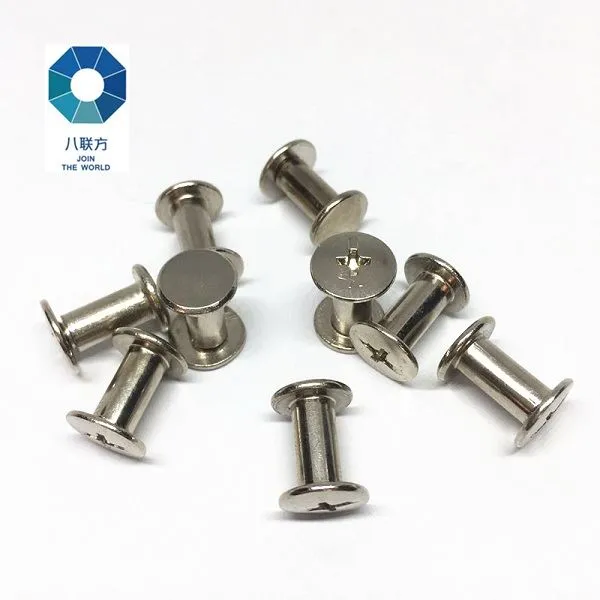
For example, if you're working on a deck project in a normal suburban area, 304 stainless steel screws like our Standard M5 Chicago Screw would be a cost - effective and reliable choice. But if your deck is close to the beach, you might want to consider upgrading to 316 stainless steel.

Hot - Dipped Galvanized Steel
Hot - dipped galvanized steel is another popular material for deck screws. The process involves dipping the steel screws into a bath of molten zinc. The zinc coating provides a layer of protection against corrosion.
The zinc coating on hot - dipped galvanized screws is relatively thick, which means it can offer good long - term corrosion resistance. It's also more affordable than stainless steel, making it a budget - friendly option for many decking projects.
However, the zinc coating can wear off over time, especially if the screws are exposed to abrasive conditions or if they are in contact with certain chemicals. Once the zinc coating is compromised, the underlying steel can start to rust. So, while hot - dipped galvanized screws are suitable for many outdoor applications, they may not be the best choice for extremely corrosive environments.
Our Phillip Flat Head M6 X 12 Machine Screw is available in hot - dipped galvanized finish. It's a great option for those who want a balance between cost and performance.
Aluminum
Aluminum screws are lightweight and have excellent corrosion resistance. They are also non - magnetic, which can be an advantage in some applications.
One of the main benefits of aluminum screws is their low weight. This can be particularly useful in situations where weight is a concern, such as in some types of decking systems or when working on structures that need to support a limited amount of weight.
However, aluminum is a softer metal compared to steel. This means that aluminum screws may not be as strong as steel screws, and they may be more prone to stripping or breaking under high stress. So, they are typically used in applications where the load requirements are not too high.
Brass
Brass is an alloy of copper and zinc. It has a nice golden appearance, which can add an aesthetic touch to your deck. Brass screws are also corrosion - resistant, especially in indoor or low - moisture outdoor environments.
They are relatively soft compared to steel, so they are not as strong. Brass screws are often used in decorative applications or in situations where a non - magnetic and corrosion - resistant screw is needed. For example, if you're building a small, decorative deck or a patio in a protected area, brass screws can be a great choice.
Composite Materials
In recent years, there has been an increasing use of composite materials for deck screws. These materials are designed to combine the best properties of different substances.
Composite screws are often made from a combination of polymers and fibers. They are lightweight, corrosion - resistant, and can be engineered to have specific properties, such as high strength or resistance to chemicals.
One of the advantages of composite screws is that they can be made to be environmentally friendly. They may use recycled materials, and they can be designed to have a long lifespan, reducing the need for frequent replacements. However, composite screws are still relatively new in the market, and their performance may vary depending on the specific composition and manufacturing process.
Factors to Consider When Choosing Deck Screw Materials
When choosing the material for your deck screws, there are several factors to keep in mind:
- Environment: Consider the location of your deck. If it's in a coastal area, a highly polluted area, or an area with high humidity, you'll need screws with better corrosion resistance, such as 316 stainless steel.
- Load Requirements: Think about the amount of weight the deck will need to support. If it's a large deck that will have a lot of people and furniture on it, you'll need stronger screws, like those made of steel.
- Aesthetics: If the appearance of the screws is important to you, you might consider brass or a screw with a decorative finish.
- Budget: Your budget will also play a role in your decision. Stainless steel and some composite materials can be more expensive, while hot - dipped galvanized steel and aluminum are generally more affordable.
In conclusion, the material of your deck screws is a crucial factor in the success of your decking project. Each material has its own advantages and disadvantages, and the right choice depends on your specific needs and circumstances.
If you're still not sure which type of deck screw is right for your project, don't hesitate to reach out. As a screws supplier, we have a team of experts who can help you make the best decision. Whether you need Standard M5 Chicago Screw, Phillip Flat Head M6 X 12 Machine Screw, or Slot Head Screw, we've got you covered. Contact us today to start the procurement process and get the high - quality screws you need for your decking project.
References
- "The Handbook of Screws and Fasteners" - A comprehensive guide on different types of screws and their materials.
- Industry reports on the latest trends in deck screw materials.
- Manufacturer's specifications for various deck screw products.