

Hey there! As a screws supplier, I've seen my fair share of rusty screws. Rust not only makes screws look bad but also weakens them, which can be a real problem in many applications. So, I thought I'd share some tips on how to prevent screws from rusting.
Understanding Rust
First things first, let's talk about what rust is. Rust is basically the result of a chemical reaction called oxidation. When iron or steel (which many screws are made of) comes into contact with oxygen and water, it forms iron oxide, which is what we know as rust. This reaction can happen slowly over time, especially in humid or wet environments.
Choose the Right Material
One of the easiest ways to prevent rust is to choose the right material for your screws in the first place. Stainless steel is a great option. It contains chromium, which forms a thin, invisible layer on the surface of the screw. This layer protects the metal underneath from coming into contact with oxygen and water, thus preventing rust.
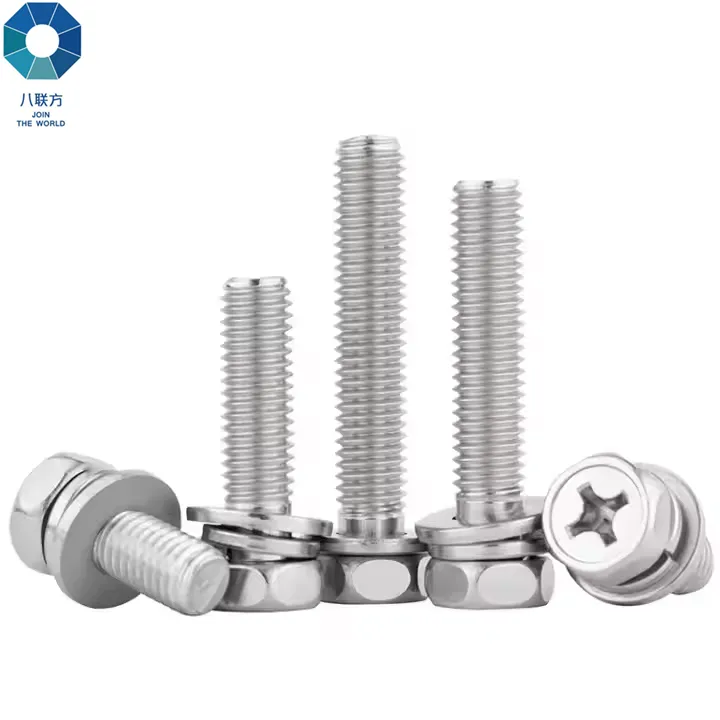
For example, our Stainless Steel Combination Screw is made of high - quality stainless steel. It's perfect for outdoor and marine applications where rust is a major concern. These screws are durable and can withstand harsh weather conditions without rusting easily.
Another option is brass. Brass is an alloy of copper and zinc and is naturally resistant to corrosion. It's often used in decorative applications where both aesthetics and rust prevention are important.
Apply a Protective Coating
If you can't use stainless steel or brass screws, you can apply a protective coating to regular steel screws. There are several types of coatings available:
Galvanization
Galvanizing is a common method where a layer of zinc is applied to the surface of the screw. Zinc is more reactive than iron, so when the screw is exposed to oxygen and water, the zinc corrodes first, protecting the iron underneath. Hot - dip galvanizing provides a thick and durable coating, while electro - galvanizing gives a thinner but more uniform coating.

Powder Coating
Powder coating involves applying a dry powder to the screw and then baking it to form a hard, protective layer. This coating not only prevents rust but also comes in a variety of colors, so you can choose one that matches your project.
Paint
A simple coat of paint can also do the trick. You can use a rust - resistant paint, which contains chemicals that inhibit the oxidation process. Just make sure to clean and dry the screws thoroughly before painting to ensure good adhesion.
Store Screws Properly
How you store your screws can also have a big impact on whether they rust or not. Here are some storage tips:
Keep Them Dry
Moisture is the enemy when it comes to rust. Store your screws in a dry place, away from areas with high humidity like basements or bathrooms. You can use a dehumidifier in the storage area to reduce the moisture level.
Use Sealed Containers
Put your screws in sealed plastic containers or bags. This will prevent air and moisture from reaching the screws. You can also add a desiccant packet to the container to absorb any moisture that might get in.
Separate Different Metals
If you're storing screws made of different metals together, they can cause a type of corrosion called galvanic corrosion. This happens when two different metals are in contact in the presence of an electrolyte (like water). So, keep screws made of different metals in separate containers.
Maintenance and Inspection
Even if you've taken all the preventive measures, it's still a good idea to regularly inspect your screws for signs of rust. If you notice any rust spots, you can take action quickly to prevent it from spreading.
Remove Rust
If you find a little bit of rust on a screw, you can remove it using a wire brush or sandpaper. Make sure to clean the screw thoroughly after removing the rust and then apply a new protective coating if necessary.
Replace Damaged Screws
If a screw is severely rusted and weakened, it's best to replace it. Using a rusty and weak screw can compromise the safety and stability of your project.
Real - World Applications
Let's take a look at some real - world applications where preventing rust is crucial.
Outdoor Furniture
When you're building outdoor furniture, you want the screws to last. Using rust - resistant screws or applying a protective coating will ensure that your furniture stays in good condition for years. For example, our Phillip Flat Head M4 X 25 Machine Screw can be used in outdoor furniture projects. With proper rust prevention, these screws will hold your furniture together firmly.
Electrical Equipment
In electrical equipment, rusty screws can cause poor electrical connections, which can lead to malfunctions or even safety hazards. That's why our DIN404 Ammeter Screws are designed to be rust - resistant, ensuring reliable performance in electrical applications.
Conclusion
Preventing screws from rusting is not rocket science. By choosing the right material, applying a protective coating, storing them properly, and performing regular maintenance, you can keep your screws in top condition.
As a screws supplier, I'm here to help you find the best rust - resistant screws for your needs. Whether you're working on a small DIY project or a large industrial application, we have a wide range of screws to choose from. If you're interested in purchasing our high - quality screws or have any questions about rust prevention, don't hesitate to reach out for a procurement discussion.
References
- "Corrosion and Its Prevention" by ASM International
- "Materials Science and Engineering: An Introduction" by William D. Callister Jr. and David G. Rethwisch