

Fixing a screw that has pulled out of the wood can be a common yet frustrating issue, whether you're working on a DIY project or maintaining your furniture. As a professional screws supplier, I've encountered various scenarios where screws come loose or pull out. In this blog, I'll share some effective methods to address this problem, along with some insights into the types of screws that can be used to prevent such issues in the future.
Understanding the Problem
When a screw pulls out of the wood, it's usually because the threads of the screw have stripped the wood fibers, losing their grip. This can happen due to several reasons, such as over - tightening the screw, using the wrong type of screw for the wood, or the wood being too soft or damaged.
Initial Assessment
Before attempting to fix the screw, it's important to assess the damage. Check the hole in the wood and the screw itself. If the screw is bent or damaged, it might be better to replace it. Examine the wood around the hole; if it's severely damaged, you may need to take extra steps to repair it.
Method 1: Using Toothpicks or Wooden Dowels
One of the simplest and most cost - effective ways to fix a loose screw is by using toothpicks or wooden dowels. Here's how you can do it:
- First, remove the loose screw from the hole.
- Take a few toothpicks or a small wooden dowel and dip them in wood glue.
- Insert the glue - soaked toothpicks or dowel into the hole in the wood. Make sure they fill the hole tightly.
- Trim off the excess toothpicks or dowel that protrudes from the surface of the wood.
- Let the glue dry completely. This usually takes a few hours, depending on the type of glue used.
- Once the glue is dry, insert the screw back into the hole. The toothpicks or dowel will provide new wood fibers for the screw threads to grip onto.
This method works well for small holes and light - duty applications. It's a great solution for fixing loose screws in furniture like cabinets or shelves.
Method 2: Using a Screw Anchor
Screw anchors are another excellent option, especially for larger holes or when you need a stronger hold. There are different types of screw anchors available, such as plastic anchors, metal anchors, and expanding anchors.
- Remove the loose screw from the hole.
- Select the appropriate screw anchor for your needs. For example, if you're working with softwood, a plastic anchor might be sufficient. For hardwood or heavy - duty applications, a metal anchor could be a better choice.
- Insert the screw anchor into the hole. You may need to use a hammer to tap it in gently.
- Once the anchor is in place, insert the screw into the anchor and tighten it. The anchor will provide a solid base for the screw, preventing it from pulling out again.
Screw anchors are widely used in construction and home improvement projects. They can be found at most hardware stores, and we also offer a variety of high - quality screw anchors in our inventory.
Method 3: Replacing the Screw with a Different Type
Sometimes, the problem might be the type of screw used. If the original screw was too small or had the wrong thread pattern, replacing it with a more suitable one can solve the issue.
- Remove the loose screw.
- Choose a screw that is larger in diameter or has a different thread design. For example, if the original screw was a flat - head screw, you might consider using a Slot Head Screw or a DIN927 Slotted Shoulder Screw. These types of screws often have better gripping power.
- Insert the new screw into the hole and tighten it carefully. Make sure not to over - tighten, as this can still cause damage to the wood.
Preventive Measures
To avoid having screws pull out of the wood in the future, here are some preventive measures you can take:

- Choose the right screw: Select a screw that is appropriate for the type of wood and the application. For example, if you're working with hardwood, use a screw with a sharp point and coarse threads. For softwood, a finer - threaded screw might be better.
- Pre - drill holes: Pre - drilling holes slightly smaller than the diameter of the screw can prevent the wood from splitting and ensure a better grip for the screw.
- Don't over - tighten: Over - tightening screws can strip the wood fibers and cause the screw to become loose over time. Use a screwdriver or drill with a torque - limiting feature to ensure you don't apply too much force.
Types of Screws for Different Applications
As a screws supplier, we offer a wide range of screws suitable for various applications. Here are some of the popular types:
- DIN927 Slotted Shoulder Screw: These screws have a shoulder that provides a precise fit and can be used in applications where accurate positioning is required. They are commonly used in machinery and precision equipment.
- Slot Head Screw: Slot head screws are one of the most basic types of screws. They are easy to install and are suitable for a variety of light - duty applications, such as fixing small parts in furniture or electronics.
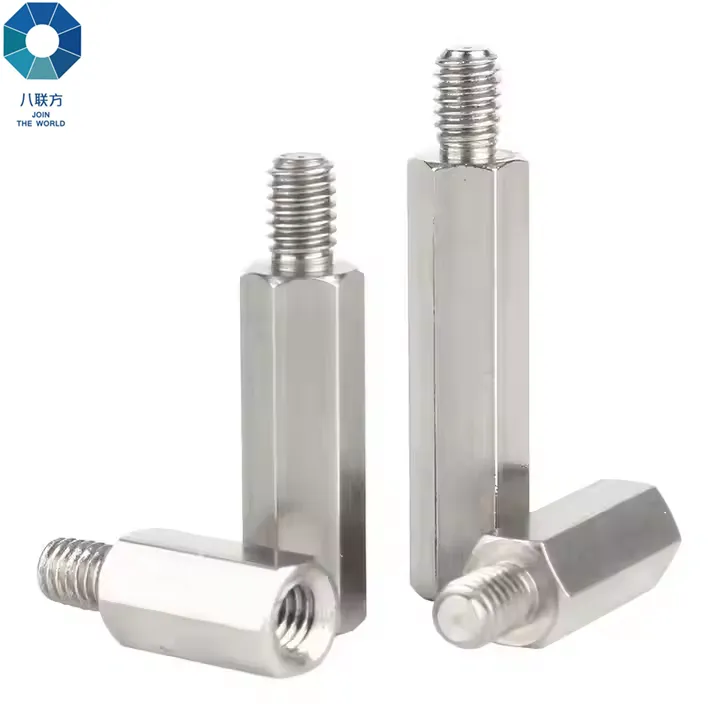
- Hex Standoff Screw: Hex standoff screws are used to create a space or standoff between two components. They are often used in electronic devices and printed circuit boards to keep components at a specific distance from each other.
Contact for Procurement
If you're in need of high - quality screws for your projects, whether it's for fixing loose screws or starting a new construction, we're here to help. Our team of experts can assist you in selecting the right screws for your specific needs. We offer a wide range of screws, including those mentioned above, at competitive prices. Contact us today to start a procurement discussion and find the perfect screws for your requirements.
References
- "Woodworking Basics: Fixing Loose Screws" by Popular Woodworking Magazine
- "Screw Selection Guide" by Fastener Technology International