

A screw gun is an indispensable tool in various construction and DIY projects. As a screws supplier, I've witnessed firsthand the transformative power of using a screw gun effectively. In this blog, I'll share some valuable insights and practical tips on how to make the most of this versatile tool.
Understanding Your Screw Gun
Before you start using a screw gun, it's crucial to understand its different components and features. Most screw guns come with a variable speed trigger, which allows you to control the speed of the screwdriver bit. This is particularly useful when working with different types of materials or when you need to apply more or less torque.
Another important feature to look for is a clutch mechanism. The clutch helps prevent over - tightening of screws by disengaging the motor when a certain level of torque is reached. This not only protects your materials from damage but also ensures that your screws are tightened to the appropriate level.
Selecting the Right Screws
As a screws supplier, I can't stress enough the importance of choosing the right screws for your project. Different types of screws are designed for specific applications. For example, Deck Screws are specifically engineered for outdoor decking projects. They are made of corrosion - resistant materials, such as stainless steel or coated steel, to withstand the elements.

If you're working on a machine or electronic project, Phillip Flat Head M4 X 25 Machine Screw might be the right choice. These screws are commonly used in machinery and electronics due to their precise dimensions and flat head design, which allows for a flush fit.
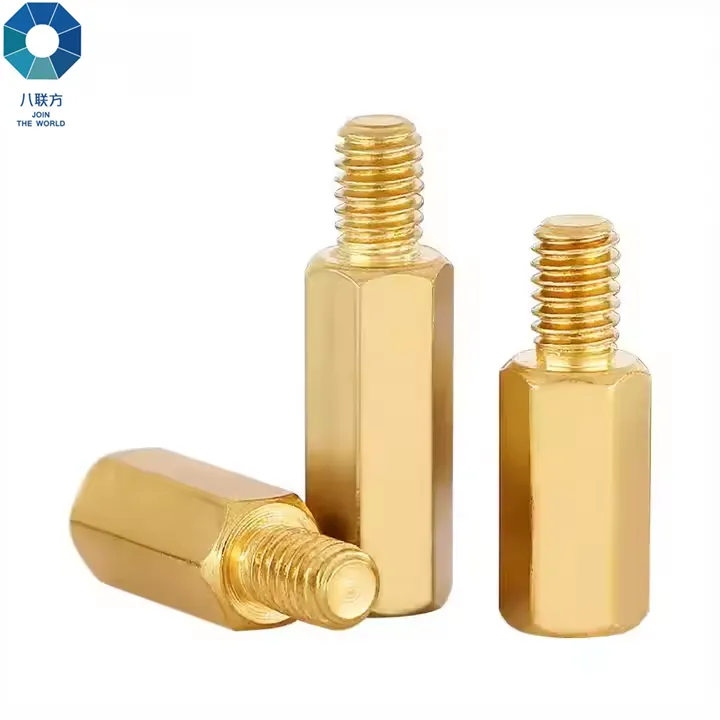
For applications that require a stand - off or spacer, Brass Hex Standoff Screw is an excellent option. The brass material offers good conductivity and corrosion resistance, and the hex shape makes it easy to install and remove.
Preparing Your Workspace
A well - prepared workspace is essential for using a screw gun effectively. First, make sure your work surface is clean and free of debris. This will prevent the screw from getting clogged or damaged during installation.
Mark the locations where you need to insert the screws. You can use a pencil or a marking tool to make clear and accurate marks. This will help you align the screw gun properly and ensure that the screws are placed in the right position.
If you're working with a delicate material, such as wood or plastic, it's a good idea to pre - drill holes. Pre - drilling reduces the risk of splitting the material and makes it easier to insert the screw. The size of the drill bit should be slightly smaller than the diameter of the screw.
Loading the Screws
Most screw guns come with a magazine or a chamber where you can load the screws. Make sure to follow the manufacturer's instructions when loading the screws. Some screw guns require you to load the screws in a specific orientation, while others have a more flexible loading mechanism.
Check the magazine regularly to ensure that there are enough screws. Running out of screws in the middle of a project can be frustrating and disrupt your workflow.
Using the Screw Gun
When using the screw gun, hold it firmly with both hands. Place the tip of the screwdriver bit on the screw head and apply gentle pressure. Start the screw gun at a low speed to ensure that the screw starts to bite into the material properly.
As the screw goes deeper, you can gradually increase the speed. However, be careful not to over - speed, especially when you're close to the end of the screw insertion. Over - speeding can cause the screw to strip or damage the material.
Keep the screw gun perpendicular to the work surface. This will ensure that the screw is inserted straight and evenly. If the screw gun is tilted, the screw may go in at an angle, which can weaken the joint or make it look unsightly.
Troubleshooting
Sometimes, you may encounter problems when using a screw gun. If the screw won't go in, check if the drill bit is dull or if the screw is the wrong size. A dull drill bit may not be able to penetrate the material effectively, while an incorrect screw size may not fit properly.
If the screw strips, it could be due to over - tightening or using the wrong type of screw for the material. Try using a different screw or adjusting the clutch setting on your screw gun.
Maintenance
Proper maintenance of your screw gun is essential to ensure its longevity and performance. After each use, clean the screw gun to remove any dust, debris, or metal shavings. You can use a soft brush or a compressed air canister to clean the exterior and interior of the tool.
Lubricate the moving parts of the screw gun regularly. This will reduce friction and wear, and keep the tool running smoothly. Refer to the manufacturer's instructions for the recommended lubricant and lubrication intervals.
Store the screw gun in a dry and safe place. Avoid exposing it to extreme temperatures or moisture, as this can damage the internal components of the tool.
Conclusion
Using a screw gun effectively can significantly improve your productivity and the quality of your projects. By understanding your screw gun, selecting the right screws, preparing your workspace, and following the proper techniques, you can make the most of this powerful tool.
As a screws supplier, I'm committed to providing high - quality screws for all your needs. Whether you're a professional contractor or a DIY enthusiast, I have the right screws for your project. If you're interested in learning more about our products or have any questions about using a screw gun, please feel free to reach out. We're here to help you with your procurement and offer professional advice.
References
- "The Complete Guide to Power Tools" by Tom Silva
- Manufacturer's manuals of various screw guns