

As a screw supplier, ensuring the quality of our products is of utmost importance. High - quality screws not only meet the performance requirements of various applications but also build trust with our customers. In this blog, I'll share how I test the quality of a screw, covering multiple aspects from the raw materials to the finished products.

1. Raw Material Inspection
The quality of a screw starts with the raw materials. We source our materials from reliable suppliers and conduct a series of tests upon receipt.
Chemical Composition Analysis
We use advanced spectrometers to analyze the chemical composition of the metal. For example, in the case of stainless - steel screws, the correct proportion of elements like chromium, nickel, and carbon is crucial. Chromium provides corrosion resistance, while nickel enhances the ductility and toughness of the steel. Deviations from the standard composition can lead to reduced performance, such as premature rusting or breakage.
Material Hardness Testing
Hardness is a key property of the raw material. We use hardness testers, such as the Rockwell or Brinell hardness testers, to measure the hardness of the metal bars before processing. The hardness should be within a specific range to ensure that the screw can be machined properly and still maintain its strength in use. If the material is too soft, the screw may deform easily; if it's too hard, it can be brittle and break during installation.
2. Manufacturing Process Monitoring
During the manufacturing process, we implement strict quality control measures at each step.
Thread Formation Inspection
The threads of a screw are critical for its functionality. We use thread gauges to check the pitch, major diameter, and minor diameter of the threads. Any deviation from the standard specifications can result in poor mating with nuts or tapped holes, leading to loose connections or difficulty in installation. For example, if the pitch is incorrect, the screw may not turn smoothly or may not provide the necessary clamping force.
Head Shape and Size Checking
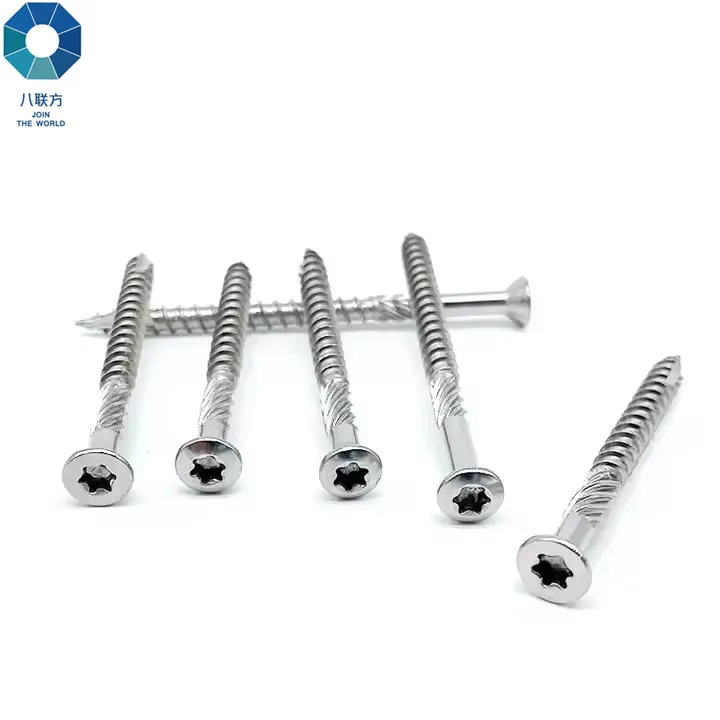
The head of the screw also needs to meet specific requirements. Whether it's a Phillips head, flat head, or Allen head, the shape and size must be accurate. For instance, in the case of a Phillip Flat Head M6 X 12 Machine Screw, the Phillips recess should be of the correct depth and width to ensure that the screwdriver can fit properly and transfer the torque effectively. We use calipers and micrometers to measure the dimensions of the head and compare them with the design specifications.
3. Finished Product Testing
Once the screws are manufactured, we conduct a series of comprehensive tests on the finished products.
Tensile Strength Testing
Tensile strength is one of the most important mechanical properties of a screw. We use a universal testing machine to apply a pulling force to the screw until it breaks. The maximum force the screw can withstand before breaking is its tensile strength. This test helps us ensure that the screw can handle the load it's designed for in real - world applications. For example, in construction projects, screws need to have sufficient tensile strength to hold structural components together.
Torque Testing
Torque testing is used to determine the amount of force required to turn the screw. We use torque wrenches to apply a specific torque to the screw and measure the resistance. The correct torque value is essential for proper installation. If too much torque is applied, the screw may break; if too little, the connection may be loose. Different types of screws, such as Deck Screws and Allen Head Machine Screw, may have different torque requirements depending on their application and design.
Corrosion Resistance Testing
Corrosion can significantly reduce the lifespan of a screw. We conduct salt - spray tests to evaluate the corrosion resistance of our screws. In a salt - spray chamber, the screws are exposed to a fine mist of saltwater for a specified period. After the test, we examine the surface of the screws for signs of rust or corrosion. This is particularly important for screws used in outdoor or humid environments, such as decking or marine applications.
4. Sampling and Batch Testing
We follow a sampling plan to test a representative sample from each production batch. This helps us ensure that the entire batch meets the quality standards. We use statistical methods to determine the appropriate sample size based on the batch size and the level of quality assurance required. If any non - conforming products are found in the sample, we may conduct a more in - depth inspection of the entire batch or take corrective actions, such as re - working or scrapping the non - conforming products.
5. Conclusion
Testing the quality of a screw is a multi - step process that involves raw material inspection, manufacturing process monitoring, and finished product testing. By implementing strict quality control measures at every stage, we can ensure that our screws meet the highest standards of performance and reliability.
If you are in the market for high - quality screws for your projects, whether it's for construction, machinery, or other applications, we would love to have a conversation with you. Our team of experts can provide you with detailed information about our products and help you choose the right screws for your specific needs. Feel free to reach out to us to start the procurement discussion.
References
- ASME B18.6.3 - 2018, Machine Screws and Washers
- ASTM A193/A193M - 21, Standard Specification for Alloy - Steel and Stainless Steel Bolting Materials for High - Temperature Service
- ISO 4759 - 1:2019, Fasteners -- Tolerances -- Bolts, screws, studs and nuts