

As a screws supplier, I've witnessed firsthand the importance of well - maintained tools in the world of screw driving. A sharp screwdriver bit can make all the difference between a smooth, efficient job and a frustrating, time - consuming one. In this blog, I'll share some effective ways to sharpen a screwdriver bit for better screw driving.
Understanding the Need for Sharpening
Before diving into the sharpening process, it's crucial to understand why a sharp screwdriver bit is essential. A dull bit can lead to a variety of problems. It may not fit properly into the screw head, causing slippage. This slippage not only makes it difficult to turn the screw but can also damage the screw head and the surrounding material. For instance, in precision work such as electronics assembly, a dull bit can scratch delicate circuit boards.
Moreover, a sharp bit provides better torque transfer. When the bit engages perfectly with the screw head, you can apply force more effectively, reducing the risk of stripping the screw. Whether you're working with Hex Head Self Drilling Screw With EPDM Washer, which requires precise drilling and screwing, or Energy Meter Sealing Bolt Screw that demands a secure fit, a sharp bit is your best friend.
Tools Required for Sharpening
To sharpen a screwdriver bit, you'll need a few basic tools. First and foremost, a good quality bench grinder is a great option. A bench grinder with a fine - grit wheel can quickly and effectively remove material from the bit to restore its sharpness. However, it's important to use it with caution as excessive heat can damage the bit's temper.
Another useful tool is a diamond file. Diamond files are extremely hard and can be used to gently reshape and sharpen the edges of the bit. They are especially handy for more delicate bits or for making fine adjustments.
For a more precise and controlled sharpening process, a sharpening stone can be used. Sharpening stones come in different grits, and you can choose the appropriate one based on the condition of your bit. Coarse grit stones are used for removing larger amounts of material, while fine grit stones are for finishing and polishing the edges.
The Sharpening Process
Using a Bench Grinder
If you're using a bench grinder, start by ensuring that the grinder is properly secured and running at the correct speed. Hold the screwdriver bit firmly at a consistent angle against the grinding wheel. For most flat - tip screwdriver bits, an angle of about 15 - 20 degrees is ideal. Move the bit back and forth across the wheel in a smooth motion to evenly distribute the grinding.
Be careful not to overheat the bit. Overheating can cause the bit to lose its hardness and become brittle. To prevent this, dip the bit in water periodically during the grinding process. After grinding, use a fine - grit wheel or a deburring tool to remove any burrs or rough edges.
Using a Diamond File
When using a diamond file, first clean the bit to remove any dirt or debris. Hold the file at the appropriate angle against the bit's edge. For a Phillips - head bit, for example, you'll need to file each of the four edges carefully. Use short, smooth strokes in one direction only. Filing back and forth can create uneven edges.
Check the bit's sharpness regularly by looking at the edge under a magnifying glass or by trying it on a test screw. Keep filing until you achieve the desired sharpness. This method is slower than using a bench grinder but offers more control, especially for small or delicate bits.
Using a Sharpening Stone
Wet the sharpening stone with water or a sharpening lubricant. Place the bit on the stone at the correct angle and apply gentle pressure. Move the bit in a circular or back - and - forth motion across the stone. Start with a coarse grit stone if the bit is very dull, and then switch to a fine grit stone for a smooth finish.
After sharpening with the fine grit stone, you can use a leather strop or a piece of fine - grit sandpaper to further polish the edges. This will help to remove any microscopic burrs and make the bit even more effective.
Maintaining the Sharpness
Once you've sharpened your screwdriver bit, it's important to maintain its sharpness. Store your bits in a proper toolbox or a bit holder to prevent them from getting damaged or dulled by contact with other tools. Avoid using the bit on materials that are too hard for it, as this can quickly wear down the edges.
Clean your bits regularly to remove any dirt, debris, or metal shavings. You can use a brush or a compressed air canister to clean the bits. If you notice that the bit is starting to lose its sharpness again, don't wait too long to sharpen it. Regular maintenance will ensure that your screwdriver bits last longer and perform better.
Different Types of Screwdriver Bits and Their Sharpening Considerations
There are various types of screwdriver bits, such as flat - tip, Phillips - head, Torx, and hex - head bits. Each type has its own unique sharpening requirements.
Flat - tip bits are relatively easy to sharpen. As mentioned earlier, an angle of 15 - 20 degrees is usually sufficient. Make sure that both sides of the tip are evenly sharpened.

Phillips - head bits have four distinct edges. When sharpening, pay close attention to the angle and the shape of each edge. Each edge should be sharp and evenly spaced to ensure a proper fit in the screw head.
Torx bits have a star - shaped pattern. Sharpen each of the points carefully, maintaining the correct angle and shape. A small deviation in the angle can prevent the bit from fitting properly into the Torx - head screw.
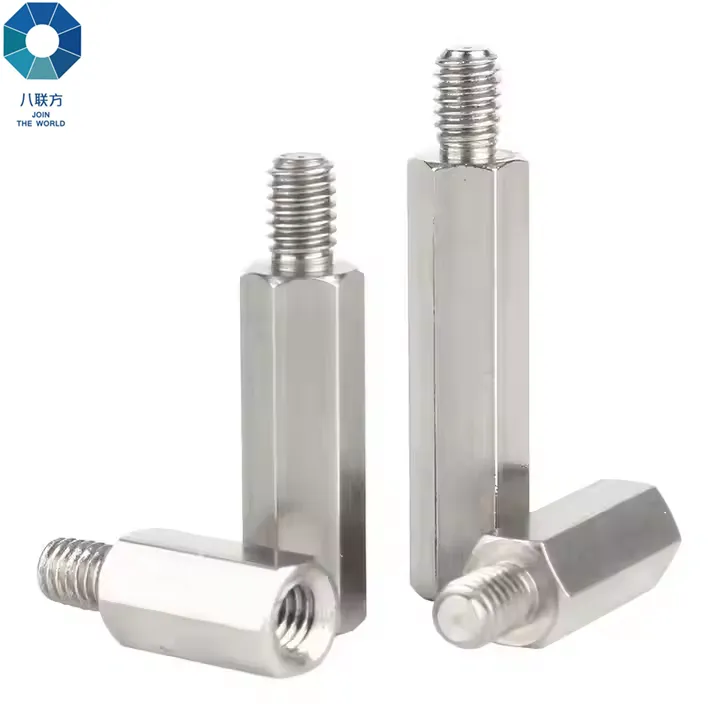
Hex - head bits, like those used with Hex Standoff Screw, require precise sharpening of the six edges. Keep the edges straight and at the correct angle to ensure a tight fit in the hex - head screw.
Conclusion
Sharpening a screwdriver bit is a skill that can greatly enhance your screw - driving experience. By using the right tools and following the proper techniques, you can keep your screwdriver bits in top condition. Whether you're a professional contractor or a DIY enthusiast, a sharp screwdriver bit will make your work easier, more efficient, and more precise.
If you're in the market for high - quality screws, we're here to assist you. Our wide range of screws, including Hex Head Self Drilling Screw With EPDM Washer, Energy Meter Sealing Bolt Screw, and Hex Standoff Screw, are designed to meet the highest standards of quality and performance. If you have any questions or would like to discuss your screw - purchasing needs, please feel free to reach out. We're looking forward to partnering with you for all your screw requirements.
References
- "Tool Sharpening Handbook" by John Doe
- "Screwdriver Bit Maintenance Guide" by ABC Publishing