

Selecting the right screw for a metal gate is a crucial decision that can significantly impact the gate's functionality, durability, and overall appearance. As a trusted screws supplier, I understand the importance of making an informed choice. In this blog, I'll guide you through the key factors to consider when choosing the perfect screw for your metal gate, ensuring a secure and long - lasting installation.
Understanding the Types of Screws for Metal Gates
Before delving into the selection process, it's essential to familiarize yourself with the different types of screws commonly used for metal gates.
Slot Head Screw
A Slot Head Screw is one of the most basic and traditional screw types. It features a single straight slot at the head, which requires a flat - blade screwdriver for installation. These screws are relatively simple and cost - effective. However, they may not provide the same level of torque and security as some other types, as the screwdriver can easily slip out of the slot during tightening. They are often used in less - critical applications or for decorative purposes on metal gates.

Slot Head Machine Screw
Slot Head Machine Screw is designed for use in machinery and equipment, but they are also suitable for metal gates. These screws are typically made of high - strength materials and have precise threads for a secure fit. They come in various sizes and lengths, allowing for a wide range of applications. Machine screws are often used when a more precise and reliable connection is required, such as attaching hinges or other hardware to the gate.
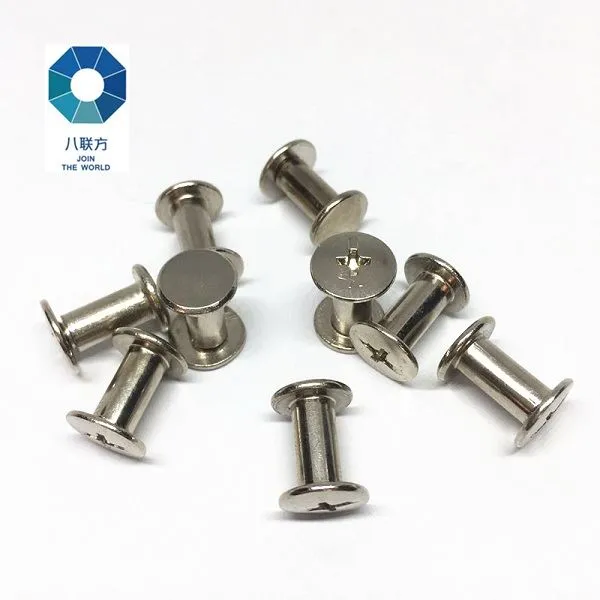
Standard M5 Chicago Screw
The Standard M5 Chicago Screw is a type of screw that consists of two parts: a post and a nut. They are known for their easy installation and removal, making them ideal for applications where frequent access or adjustment is needed. Chicago screws are often used for attaching nameplates, signs, or other removable components to metal gates.
Factors to Consider When Selecting Screws
Material
The material of the screw is a critical factor. For metal gates, stainless steel, galvanized steel, and brass are popular choices.
- Stainless Steel: Stainless steel screws are highly resistant to corrosion, making them an excellent choice for outdoor metal gates. They can withstand exposure to moisture, salt, and other environmental elements without rusting. This durability ensures that the gate remains secure and aesthetically pleasing over time.
- Galvanized Steel: Galvanized steel screws are coated with a layer of zinc, which provides a protective barrier against corrosion. They are more affordable than stainless steel screws and are suitable for most outdoor applications. However, the zinc coating may wear off over time, especially in harsh environments, so they may require periodic inspection.
- Brass: Brass screws are not only corrosion - resistant but also have an attractive appearance. They are often used for decorative metal gates where aesthetics are important. However, brass is a softer metal than steel, so it may not be as strong for heavy - duty applications.
Size
The size of the screw is determined by its diameter and length.
- Diameter: The diameter of the screw should be appropriate for the thickness of the metal gate and the hardware being attached. A screw that is too thin may not provide enough strength, while a screw that is too thick may damage the metal or be difficult to install. As a general rule, for thinner metal gates (less than 1/8 inch thick), a screw with a diameter of #6 to #8 is usually sufficient. For thicker gates, a larger diameter screw, such as #10 or #12, may be required.
- Length: The length of the screw should be long enough to penetrate through the gate and into the supporting structure or hardware. However, it should not be so long that it protrudes through the other side and causes a safety hazard. A good rule of thumb is to choose a screw that is at least 1.5 times the thickness of the material being fastened.
Thread Type
The thread type of the screw affects its holding power and ease of installation.
- Coarse Threads: Coarse - threaded screws have fewer threads per inch, which means they can be installed more quickly and are better suited for softer metals or materials with lower density. They provide a good grip in materials that may not hold fine threads well.
- Fine Threads: Fine - threaded screws have more threads per inch, which gives them a stronger holding power in harder metals. They are also less likely to strip the threads in the material. However, they may require more time and effort to install.
Head Style
The head style of the screw can impact the gate's appearance and functionality.
- Flat Head: Flat - head screws sit flush with the surface of the metal, providing a smooth and clean look. They are often used when aesthetics are important, such as on the front of a decorative gate.
- Pan Head: Pan - head screws have a rounded top and a flat underside. They are easy to install and provide a good amount of bearing surface, making them suitable for general - purpose applications on metal gates.
- Round Head: Round - head screws have a domed top, which gives them a more decorative appearance. They are commonly used for attaching hardware or for adding a finishing touch to the gate.
Installation Tips
Once you have selected the right screw for your metal gate, proper installation is essential to ensure its effectiveness.
- Pre - drilling: For harder metals, it is often necessary to pre - drill holes to prevent the screw from cracking or splitting the metal. The size of the drill bit should be slightly smaller than the diameter of the screw.
- Using the Right Tools: Use a screwdriver or drill that is appropriate for the screw head. A loose - fitting tool can damage the screw head and make it difficult to install or remove the screw.
- Tightening Properly: Do not over - tighten the screw, as this can damage the metal or strip the threads. On the other hand, under - tightening can result in a loose connection that may compromise the gate's stability.
Conclusion
Selecting the right screw for a metal gate is a multi - faceted process that requires careful consideration of various factors, including the type of screw, material, size, thread type, and head style. As a screws supplier, I am committed to providing high - quality products and expert advice to help you make the best choice for your metal gate. Whether you need a simple Slot Head Screw for a decorative touch or a heavy - duty Standard M5 Chicago Screw for a secure connection, we have the right solution for you.
If you are in the process of selecting screws for your metal gate or have any questions about our products, I encourage you to reach out to us for a detailed discussion. Our team of experts is ready to assist you in finding the perfect screws for your specific needs.
References
- "Fasteners Handbook" by Industrial Press Inc.
- "Screw Design and Application" by ASME International.