

Choosing the right screw for toy assembly is crucial as it can greatly affect the quality, safety, and overall functionality of the toys. As a screws supplier, I've encountered numerous toy manufacturers and DIY enthusiasts asking for advice on this topic. So, let me share some insights on how to make the best choice.

Understanding the Toy Material
The first thing to consider when choosing a screw for toy assembly is the material of the toy. Toys can be made from various materials like plastic, wood, and metal, and each requires a different type of screw.
Plastic Toys
Plastic is a common material for toys due to its affordability, durability, and ease of molding. When working with plastic, you need screws that won't crack or damage the material. Self - tapping screws are a great option as they can create their own threads in the plastic. For example, the Ammeter Self Tapping Screw is designed with a sharp tip and fine threads that can penetrate plastic smoothly without causing excessive stress. These screws usually have a lower torque requirement, which means you don't have to apply too much force while tightening them.
Wooden Toys
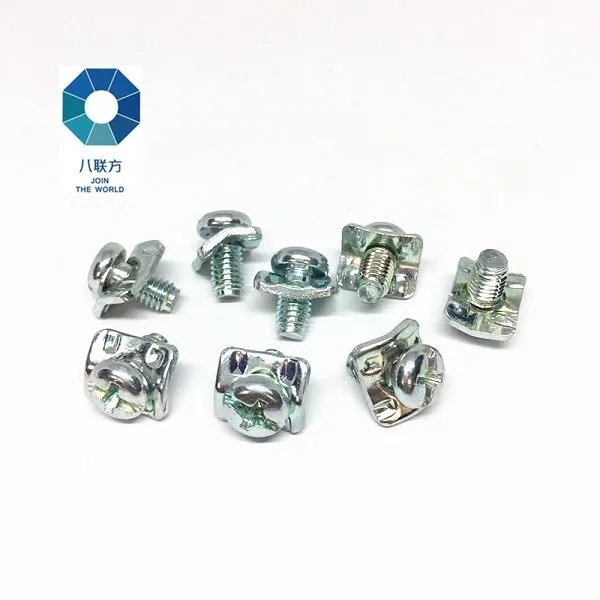
Wood has a natural and warm look, making it a popular choice for many traditional and high - end toys. For wooden toys, wood screws are the way to go. They have coarse threads that can grip the wood fibers effectively. The Captive Seal Screws Wood Screw is an excellent option. It provides a strong hold and can prevent the wood from splitting. Additionally, if you want to add a bit of extra security, you can use combination screws with washers. The washer distributes the load evenly over the surface of the wood, reducing the risk of the screw head sinking into the wood. You can check out the Combination Screws With Washer for an all - in - one solution.
Metal Toys
Metal toys are usually sturdier and more durable. When assembling metal toys, machine screws are often used. These screws require pre - drilled holes in the metal and are tightened with a nut or a threaded insert. They come in different grades of steel, depending on the strength requirements of the toy. For example, stainless steel machine screws are corrosion - resistant, which is important if the toy is likely to be exposed to moisture.
Considering the Toy's Structure and Design
The structure and design of the toy also play a significant role in screw selection.
Small and Delicate Toys
For small and delicate toys, such as miniature figurines or jewelry - like toys, you need small and fine - threaded screws. Tiny self - tapping screws can be used to attach small parts without adding too much weight or bulk. These screws are often made of lightweight materials like aluminum or brass.
Large and Heavy - Duty Toys
On the other hand, large and heavy - duty toys, like playhouses or large ride - on toys, require stronger and more robust screws. You may need to use longer and thicker screws to ensure a secure connection. Also, consider using screws with a higher shear strength, which can withstand the forces and stresses generated by the toy's use.
Hidden or Visible Screws
The aesthetic aspect of the toy is also important. If the screws will be visible on the toy, you may want to choose screws with a nice finish or a color that matches the toy. For example, chrome - plated screws can give a shiny and modern look, while black - oxide coated screws can provide a more stealthy and elegant appearance. If the screws are meant to be hidden, you can focus more on their functionality and strength.
Safety Considerations
Safety is of utmost importance when it comes to toys, especially those for children. Here are some safety - related factors to consider when choosing screws.
No Sharp Edges
The screws should not have any sharp edges or burrs that could potentially cut or scratch a child. Make sure the screws are smooth and well - finished.
Secure Fastening
The screws need to provide a secure fastening to prevent parts from coming loose. Loose parts can pose a choking hazard or cause the toy to malfunction. Check the screw's tensile strength and make sure it can hold the parts together firmly.
Non - Toxic Materials
If the toy is likely to be put in a child's mouth, ensure that the screws are made of non - toxic materials. Stainless steel and plastic - coated screws are often good choices as they are generally considered safe.
Quantity and Cost
Another practical consideration is the quantity of screws you need and the cost. As a toy manufacturer, you'll need to order screws in bulk. Look for a supplier who can offer competitive prices without compromising on quality. You should also consider the shipping costs and the lead time for delivery.
Testing and Quality Assurance
Before making a large - scale purchase, it's a good idea to order a small sample of the screws and test them on your toy prototypes. Check how easy they are to install, how well they hold the parts together, and if they meet all the safety and aesthetic requirements. You can also perform some stress tests to ensure the screws can withstand the normal use of the toy.
In conclusion, choosing the right screw for toy assembly involves considering multiple factors such as the toy material, structure, safety, cost, and quality. As a screws supplier, we're here to help you make the best decision. If you're interested in our products and want to discuss your specific requirements for toy assembly, feel free to reach out. We'll be more than happy to assist you with your procurement process.
References
- Industry standards for toy safety for screw selection.
- Material science research on the properties of different types of screws in relation to toy materials.