

When it comes to installing or repairing a metal door, one of the most crucial decisions you'll make is choosing the right screw. As a seasoned screws supplier, I've encountered numerous customers grappling with this very issue. In this blog post, I'll share my expertise on how to select the perfect screw for a metal door, ensuring a secure and long - lasting installation.
Understanding the Basics of Metal Door Screws
Before delving into the selection process, it's essential to understand the fundamental characteristics of screws used for metal doors. Metal door screws are designed to penetrate and hold firmly in metal materials. They come in various types, sizes, and materials, each with its own set of advantages and applications.
Types of Screws for Metal Doors
Machine Screws
Machine screws are a popular choice for metal doors. They have a uniform diameter along the entire length and are typically used with nuts or threaded holes. Slot Head Machine Screw is a classic type of machine screw. It has a single slot on the head, which requires a flat - blade screwdriver for installation. These screws are known for their simplicity and are suitable for light - to - medium - duty applications on metal doors.
Self - Tapping Screws
Self - tapping screws are designed to create their own threads as they are driven into the metal. They are ideal for situations where you don't have pre - drilled holes or when working with thin metal sheets. These screws have sharp points and threads that cut into the metal, providing a secure hold. They are commonly used for attaching hinges, handles, and other hardware to metal doors.
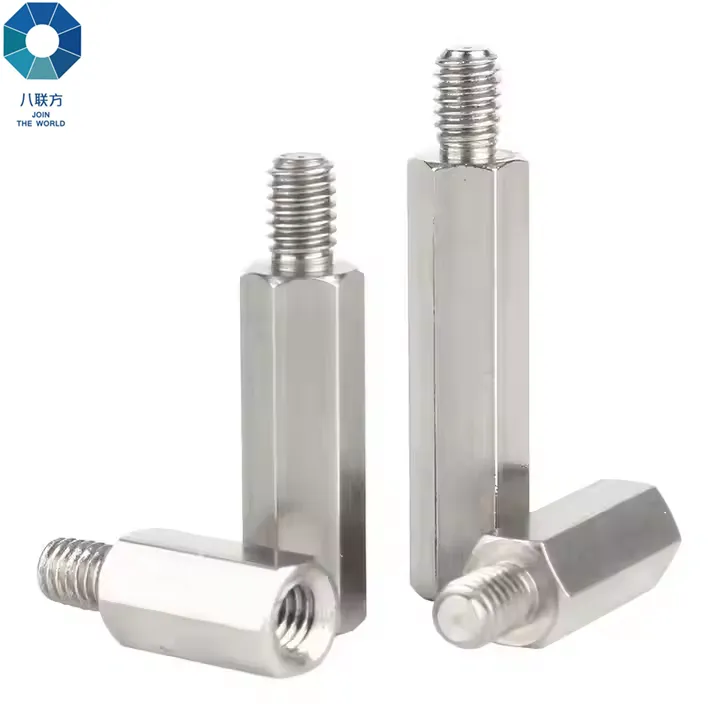
Hex Standoff Screws
Hex Standoff Screws are used when you need to create a specific distance or standoff between two metal components. They have a hexagonal head and a threaded shaft. These screws are often used in electronic enclosures or when you need to mount components at a certain height above the door surface. They provide stability and prevent components from touching the metal door directly.
Factors to Consider When Choosing a Screw
Material
The material of the screw is a critical factor. Common materials for metal door screws include stainless steel, carbon steel, and brass.
- Stainless Steel: Stainless steel screws are highly resistant to corrosion, making them an excellent choice for outdoor metal doors or in humid environments. They are durable and can withstand the elements without rusting or deteriorating.
- Carbon Steel: Carbon steel screws are strong and relatively inexpensive. However, they are prone to rusting if not properly coated. They are suitable for indoor metal doors where corrosion is not a major concern.
- Brass: Brass screws have good corrosion resistance and an attractive appearance. They are often used in decorative applications on metal doors, such as for attaching ornamental hardware.
Size
The size of the screw is determined by its diameter and length. The diameter of the screw should match the size of the pre - drilled hole or the thickness of the metal. A screw that is too thin may not provide enough holding power, while a screw that is too thick may damage the metal.
The length of the screw is equally important. It should be long enough to penetrate through the metal door and into the supporting structure behind it. For example, when attaching a hinge to a metal door, the screw should be long enough to reach the door frame and provide a secure connection.

Thread Type
The thread type of the screw affects its holding power and the ease of installation. Coarse threads are typically used for softer metals or when a quick installation is required. They provide a strong hold but may not be as precise as fine threads.
Fine threads, on the other hand, are used for harder metals or when a more precise fit is needed. They are slower to install but offer better resistance to vibration and loosening over time.
Head Type
The head type of the screw determines how it will be installed and the appearance of the finished installation. Common head types for metal door screws include flat head, pan head, and hex head.
- Flat Head: Flat - head screws sit flush with the surface of the metal door, providing a smooth and clean appearance. They are often used in applications where a low - profile look is desired.
- Pan Head: Pan - head screws have a rounded top and a flat underside. They are easy to install and provide a good amount of bearing surface for holding the hardware in place.
- Hex Head: Hex - head screws require a wrench or socket for installation. They provide a high level of torque and are suitable for heavy - duty applications on metal doors.
Specific Examples of Screws for Metal Doors
Allen Head M5 X 15 Machine Screw
Allen Head M5 X 15 Machine Screw is a specific type of screw that can be used for metal doors. The "M5" refers to the diameter of the screw, which is 5 millimeters, and the "15" refers to the length of the screw, which is 15 millimeters. The Allen head, also known as a hex socket head, allows for easy installation using an Allen wrench. This type of screw is commonly used for attaching small components or hardware to metal doors, such as locks or latches.
Installation Tips
Once you've chosen the right screw for your metal door, proper installation is key to ensuring a secure and long - lasting connection.
- Pre - Drilling: If you're using machine screws or self - tapping screws, it's often a good idea to pre - drill holes in the metal door. This helps prevent the metal from cracking or splitting and makes it easier to drive the screw in.
- Using the Right Tools: Make sure you use the appropriate tools for the type of screw you're using. For example, use a flat - blade screwdriver for slot - head screws, an Allen wrench for Allen - head screws, and a wrench or socket for hex - head screws.
- Tightening Properly: Don't over - tighten the screws, as this can damage the metal or strip the threads. Use a torque wrench if possible to ensure that the screws are tightened to the correct specification.
Conclusion
Choosing the right screw for a metal door is a process that requires careful consideration of several factors, including the type of screw, material, size, thread type, and head type. By understanding these factors and following the installation tips, you can ensure a secure and long - lasting installation of your metal door hardware.
As a screws supplier, I'm here to help you make the right choice. Whether you're a DIY enthusiast or a professional contractor, I have a wide range of screws suitable for all types of metal door applications. If you have any questions or need assistance in selecting the right screw for your project, please don't hesitate to contact me for a procurement discussion. I'm confident that together, we can find the perfect screws for your metal door needs.
References
- "Handbook of Screw Thread Design and Application"
- "Metalworking: A Practical Guide"
- "Fasteners and Their Applications"