

In the ever - evolving landscape of electronic devices, the question of whether machined connector parts can be used is a topic of significant interest. As a supplier of machined connector parts, I have witnessed firsthand the growing demand for these components in the electronics industry. This blog post aims to explore the viability, benefits, and potential challenges of using machined connector parts in electronic devices.
The Nature of Machined Connector Parts
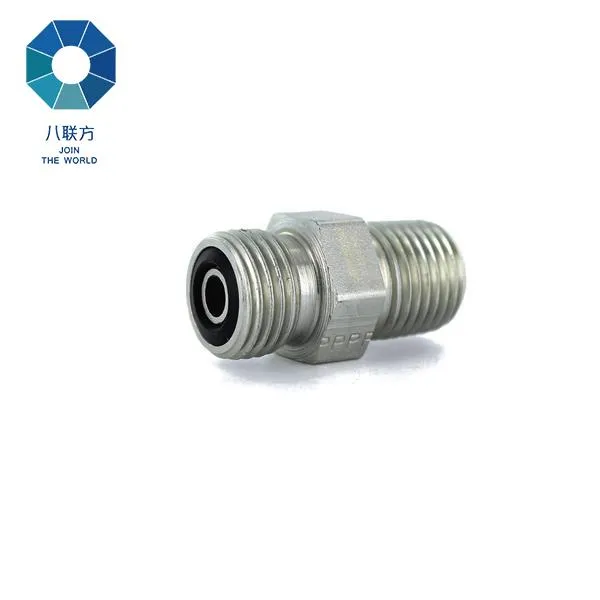
Machined connector parts are precision - engineered components that are created through various machining processes such as turning, milling, and drilling. These parts are designed to provide reliable connections between different elements of a system. They can be made from a wide range of materials, including metals like brass, aluminum, and stainless steel, as well as plastics and composites.
The precision of machining allows for the creation of parts with tight tolerances, which is crucial in electronic applications. For example, a machined connector part used in a high - speed data transmission device needs to have exact dimensions to ensure proper signal transfer and minimize interference.
Advantages of Using Machined Connector Parts in Electronic Devices
1. Durability and Reliability
One of the primary advantages of machined connector parts is their durability. Metals used in machining, such as brass and stainless steel, are known for their strength and resistance to wear and corrosion. In electronic devices that may be exposed to harsh environments, such as industrial machinery or outdoor equipment, these parts can maintain their integrity over a long period. This reliability reduces the need for frequent replacements, leading to cost savings in the long run.
2. Customization
Machining processes offer a high degree of customization. Electronic devices come in a wide variety of shapes, sizes, and functions, and machined connector parts can be tailored to meet specific requirements. Whether it's a unique connector design for a new smartphone model or a specialized part for a medical device, machining allows for the creation of parts that fit precisely into the intended application. For instance, Machining Parts for Fitting Union Connector can be customized to fit different types of fitting union systems in electronic devices.
3. Electrical Conductivity
Many metals used in machining, such as copper and its alloys, have excellent electrical conductivity. This property is essential in electronic devices, where efficient transfer of electrical signals is critical. Machined connector parts made from these materials can ensure low resistance and high - quality electrical connections, which is vital for the proper functioning of electronic circuits.

4. Compatibility
Machined connector parts can be designed to be compatible with a wide range of electronic components. They can be integrated with printed circuit boards (PCBs), switches, and other elements of an electronic device. For example, 250VAC Basic Micro Switch can be paired with machined connector parts to create a reliable switching mechanism in an electronic device.
Challenges and Considerations
1. Cost
The machining process can be relatively expensive, especially for complex parts with tight tolerances. This cost factor may be a concern for some manufacturers, particularly those producing high - volume, low - cost electronic devices. However, it's important to note that the long - term benefits of durability and reliability can offset the initial investment.
2. Manufacturing Time
Machining is a time - consuming process, especially when compared to other manufacturing methods such as injection molding. This can lead to longer lead times for production, which may not be suitable for companies with tight production schedules. To address this issue, suppliers need to optimize their machining processes and have efficient production planning.
3. Design Complexity
While customization is an advantage, it can also introduce design complexity. Designing machined connector parts requires a deep understanding of both machining capabilities and electronic requirements. Incorrect design can lead to parts that do not fit properly or function as intended, which can be costly to correct.
Applications of Machined Connector Parts in Electronic Devices
1. Consumer Electronics
In consumer electronics such as smartphones, tablets, and laptops, machined connector parts are used for various purposes. They can be found in charging ports, audio jacks, and internal connectors that link different components of the device. For example, a machined connector part in a smartphone charging port needs to be precisely machined to ensure a secure and reliable connection with the charger.
2. Industrial Electronics
Industrial electronic devices, such as programmable logic controllers (PLCs) and industrial sensors, often operate in harsh environments. Machined connector parts are used in these devices due to their durability and reliability. They can withstand high temperatures, vibrations, and exposure to chemicals, ensuring the long - term performance of the industrial equipment.
3. Medical Electronics
In the medical field, electronic devices require high levels of precision and reliability. Machined connector parts are used in medical imaging equipment, patient monitoring devices, and surgical instruments. For example, in an MRI machine, machined connector parts are used to connect different components and ensure accurate data transfer.
4. Automotive Electronics
The automotive industry is increasingly relying on electronic systems for functions such as engine control, infotainment, and safety features. Machined connector parts are used in automotive electronics to provide reliable connections between various sensors, actuators, and control units. They need to be able to withstand the vibrations, temperature variations, and electrical interference commonly found in automotive environments.
Quality Assurance in Machined Connector Parts for Electronic Devices
To ensure the suitability of machined connector parts for electronic devices, strict quality assurance measures are necessary. This includes material testing to verify the properties of the raw materials, dimensional inspection to ensure that the parts meet the specified tolerances, and electrical testing to check the conductivity and performance of the parts.
At our company, we have a comprehensive quality control system in place. We use advanced inspection equipment such as coordinate measuring machines (CMMs) to measure the dimensions of the machined parts accurately. We also conduct electrical tests using specialized equipment to ensure that the parts meet the electrical requirements of electronic devices.
Conclusion
In conclusion, machined connector parts can indeed be used in electronic devices, offering numerous advantages such as durability, customization, electrical conductivity, and compatibility. While there are challenges such as cost and manufacturing time, the benefits often outweigh these drawbacks, especially in applications where high - quality and reliable connections are essential.
If you are in the market for machined connector parts for your electronic devices, we invite you to reach out to us for a detailed discussion. Our team of experts can work with you to design and manufacture the perfect connector parts to meet your specific needs. Whether you need Machining Parts for Water Pipe Connector or other specialized components, we have the capabilities and experience to deliver high - quality products.
References
- Groover, M. P. (2010). Fundamentals of Modern Manufacturing: Materials, Processes, and Systems. Wiley.
- Madhavan, P. (2013). Handbook of Electronic Packaging Design and Engineering. McGraw - Hill.
- ASM International. (2008). ASM Handbook, Volume 16: Machining. ASM International.