

Hey there! As a screws supplier, I often get asked some pretty interesting questions. One that pops up quite a bit is, "Can I paint screws?" Well, let's dive right into this topic and find out all about it.
First off, let's understand why someone might want to paint screws in the first place. There are a few good reasons. For one, it can be a matter of aesthetics. Maybe you're working on a DIY project where the color of the screws stands out too much and doesn't match the overall look you're going for. Painting them can help them blend in better with the surrounding materials. Another reason could be for protection. A good coat of paint can act as a barrier against corrosion, especially if the screws are going to be exposed to the elements.
Now, let's talk about whether it's actually possible to paint screws. The short answer is yes, you can paint screws. But there are some things you need to keep in mind.
Types of Screws and Their Suitability for Painting
We offer a wide range of screws at our supply, like Hexagon Socket Button Head Screw, Deck Screws, and Stainless Steel DIN927 Headless Slotted Shoulder Screw. Different types of screws have different surfaces, and this can affect how well the paint adheres.
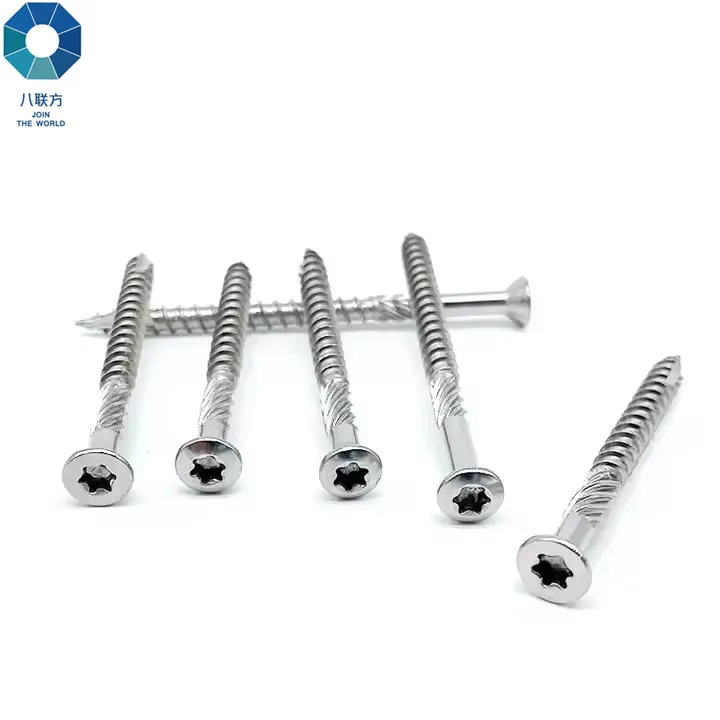
For example, screws with a smooth surface are generally easier to paint than those with a rough or textured one. The smooth surface provides a better base for the paint to stick to. Hexagon socket button head screws usually have a relatively smooth finish, so they're a good candidate for painting. Deck screws, on the other hand, might have a bit more of a textured surface, but with the right preparation, they can also be painted successfully.
Preparing the Screws for Painting
Before you start slapping on the paint, you need to prepare the screws properly. This is crucial for getting a good, long - lasting paint job.
First, clean the screws thoroughly. Remove any dirt, grease, or debris. You can use a mild detergent and warm water to do this. Make sure to dry the screws completely before moving on to the next step.
Next, you might want to sand the screws lightly. This helps to create a rough surface for the paint to grip onto. But be careful not to sand too much, as you don't want to damage the screw. Just a light sanding with fine - grit sandpaper will do the trick.
Choosing the Right Paint
Not all paints are created equal when it comes to painting screws. You want to choose a paint that is durable and will adhere well to the metal surface.
Acrylic paints are a popular choice. They dry quickly, are easy to work with, and come in a wide range of colors. Enamel paints are also a good option. They are very durable and provide a hard, glossy finish.
When choosing a paint, consider the environment the screws will be in. If they're going to be outdoors, you'll want a paint that is weather - resistant. If they're going to be in a high - moisture area, like a bathroom, a paint that resists mildew would be a good idea.
Painting the Screws
Once you've prepared the screws and chosen the right paint, it's time to start painting.
You can use a small paintbrush to apply the paint. Dip the brush into the paint and apply a thin, even coat to the screw. Make sure to cover all surfaces of the screw. It's better to apply multiple thin coats rather than one thick coat. This helps to prevent drips and ensures a more even finish.
Let each coat dry completely before applying the next one. The drying time will depend on the type of paint you're using, so make sure to follow the manufacturer's instructions.

Curing and Testing
After you've applied the final coat of paint, you need to let the screws cure. This means letting them sit for a period of time to allow the paint to fully harden. Again, follow the manufacturer's instructions for the curing time.
Once the screws are cured, it's a good idea to test the paint job. You can do this by gently scratching the painted surface with your fingernail. If the paint chips or flakes off easily, you might need to sand the screw again and start the painting process over.
Potential Issues and Solutions
Sometimes, things don't go as planned when painting screws. Here are some common issues and how to solve them:
Paint not adhering: If the paint isn't sticking to the screw, it could be because the screw wasn't cleaned or sanded properly. Go back and clean and sand the screw again, and then try painting it again.
Drips and runs: This usually happens when you apply too thick of a coat of paint. Let the paint dry, sand the drips and runs smooth, and then apply another thin coat.
Chipping and flaking: If the paint chips or flakes off after it's cured, it could be due to a poor - quality paint or improper curing. Try using a different type of paint or make sure to let the paint cure for the full recommended time.
Is It Worth It?
So, is painting screws worth the effort? Well, it depends on your situation. If you're working on a high - end DIY project where the appearance of the screws matters, then yes, it can be worth it. If you're just using the screws in a non - visible area, it might not be necessary.
But remember, painting screws can also provide some protection against corrosion, so even if the appearance isn't a big deal, it could still be a good idea to give them a coat of paint.
Wrapping It Up
In conclusion, yes, you can paint screws. With the right preparation, the right paint, and a bit of patience, you can achieve a great - looking and long - lasting paint job on your screws.
Whether you're using Hexagon Socket Button Head Screw, Deck Screws, or Stainless Steel DIN927 Headless Slotted Shoulder Screw, the process is pretty much the same.
If you're in the market for screws and have any questions about painting them or need advice on which type of screws to choose for your project, don't hesitate to reach out. We're here to help you with all your screw - related needs. Whether it's for a small home project or a large - scale industrial job, we've got the screws and the expertise to get the job done right. So, feel free to contact us for more information and to start a procurement discussion.
References
- "Painting Metal Surfaces: A Guide", DIY Magazine
- "Choosing the Right Paint for Metal", Paint Manufacturer's Handbook
- "How to Protect Screws from Corrosion", Industrial Hardware Journal