

Hey there! As a supplier of Fitting Union Connectors, I often get asked a bunch of questions about our products. One question that pops up quite a bit is, "Are Fitting Union Connectors resistant to UV radiation?" Well, let's dive right into it and find out.
First off, let's talk about what UV radiation is and why it matters for Fitting Union Connectors. UV radiation comes from the sun, and it can have some pretty harsh effects on materials over time. You know how your plastic toys left outside start to fade and get brittle? That's the power of UV rays at work. For Fitting Union Connectors, which are used in all sorts of outdoor and indoor - outdoor hybrid applications, UV resistance is crucial. If a connector isn't resistant to UV, it could degrade, crack, or lose its structural integrity, which can lead to leaks, malfunctions, and all sorts of headaches.
Now, the resistance of Fitting Union Connectors to UV radiation really depends on the materials they're made of. We use a variety of materials in our connectors, each with its own level of UV resistance.
Materials and UV Resistance
Plastic Connectors
Plastic is a common material for Fitting Union Connectors because it's lightweight, cost - effective, and easy to mold into different shapes. But not all plastics are created equal when it comes to UV resistance. Some basic plastics, like regular PVC (polyvinyl chloride), are not very UV - resistant. When exposed to sunlight for long periods, they can become discolored, lose their flexibility, and eventually crack.
However, we use high - quality, UV - stabilized plastics in our plastic Fitting Union Connectors. These plastics have special additives that help them withstand the damaging effects of UV radiation. They're designed to maintain their strength, flexibility, and appearance even after years of sun exposure. So, if you're using our plastic connectors outdoors, you can rest assured that they'll hold up well.
Metal Connectors
Metal connectors, such as those made of brass, stainless steel, or aluminum, generally have better UV resistance compared to plastics. Metals are naturally more durable and less affected by UV rays. For example, stainless steel is highly resistant to corrosion and UV degradation. It's a great choice for outdoor applications where the connector will be exposed to sunlight, rain, and other environmental factors.
Brass connectors are also quite resistant to UV radiation. They have a natural patina that forms over time, which can actually protect the metal from further damage. Aluminum connectors are lightweight and also offer good UV resistance, especially when they're properly coated or anodized.
Testing and Quality Assurance
We don't just claim that our Fitting Union Connectors are UV - resistant; we put them through rigorous testing to back up our claims. Our in - house testing facilities simulate real - world conditions, including long - term exposure to UV radiation. We expose the connectors to intense UV light for extended periods and then check for any signs of degradation, such as changes in color, strength, or flexibility.
We also follow industry standards and regulations when it comes to UV resistance. This ensures that our products meet or exceed the expectations of our customers. By investing in quality materials and thorough testing, we can guarantee that our Fitting Union Connectors will perform well in UV - exposed environments.
Applications and UV Resistance
The UV resistance of our Fitting Union Connectors makes them suitable for a wide range of applications. Whether you're working on a plumbing project, an electrical installation, or an industrial setup, our connectors can handle the job.

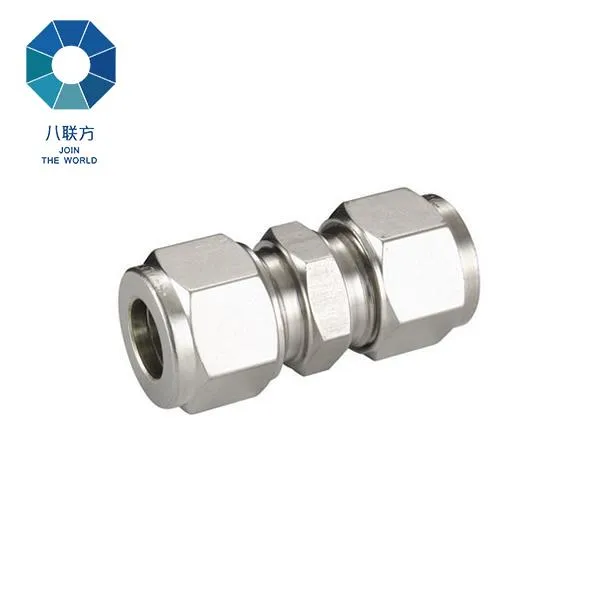
Plumbing Applications
In plumbing, our UV - resistant connectors are perfect for outdoor water systems. They can be used to connect pipes in gardens, swimming pools, or other outdoor water features. Since they're resistant to UV radiation, they won't break down over time, which means you won't have to worry about leaks or water damage. You can check out our Machining Parts for Brass Water Pipe for more options in this area.
Electrical Applications
For electrical installations, especially those in outdoor or exposed areas, our connectors need to be reliable. UV - resistant connectors ensure that the electrical connections remain stable and safe. They can be used in streetlights, solar panel systems, and other outdoor electrical setups. Our Machined Parts for Anti - explosion Connector are designed with high - quality materials that can withstand UV exposure and provide a secure connection.
Industrial Applications
In industrial settings, where connectors may be exposed to sunlight as well as other harsh conditions, UV resistance is essential. Our connectors are used in manufacturing plants, oil and gas facilities, and other industrial environments. They're built to last, even in the toughest conditions. For example, our Manufactory Kw8 - 15 1C2 250VAC Micro Switch is designed with UV - resistant materials to ensure reliable operation in industrial applications.
Conclusion
So, to answer the question, "Are Fitting Union Connectors resistant to UV radiation?" - it depends on the type of connector and the materials it's made of. But when you choose our Fitting Union Connectors, you're getting products that are designed and tested to be UV - resistant. Whether it's plastic, metal, or other materials, we've taken the necessary steps to ensure that our connectors can withstand the damaging effects of UV radiation.
If you're in the market for high - quality, UV - resistant Fitting Union Connectors, we'd love to hear from you. Whether you have a small plumbing project or a large - scale industrial installation, we have the right connectors for you. Get in touch with us to discuss your specific needs and start a procurement negotiation. We're here to help you find the best solutions for your projects.
References
- ASTM International standards on UV resistance testing for materials.
- Industry research on the effects of UV radiation on plastics and metals.
- In - house testing reports from our Fitting Union Connector production.